

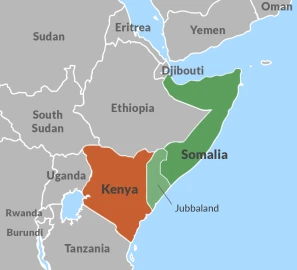
The November 10 attack in Mandera County, allegedly carried out by Al-Shabaab militants, has once again exposed the vulnerability of communities living along Kenya’s border with Somalia.
By Ali Mohamed
Kenya must renew its commitment to fighting terrorism by strengthening domestic security measures and expanding cooperation with neighbouring countries, particularly Somalia, as the threat posed by extremist groups continues to evolve.
The November 10 attack in Mandera County, allegedly carried out by Al-Shabaab militants, has once again exposed the vulnerability of communities living along Kenya’s border with Somalia.
Eight people travelling to a road construction site, including five workers, two police reservists and a driver, were ambushed. The incident not only endangered lives but also threatened economic activities and infrastructure development in an already vulnerable region.
Kenya has a long history of confronting terrorist violence and understands the far-reaching consequences of extremist attacks. The 2013 Westgate shopping mall attack, which claimed 67 lives, and the 2019 DusitD2 attack, which left 21 people dead, remain among the darkest chapters in the country’s recent security history.
Over the years, Kenya has strengthened its response through security operations, intelligence gathering, improved border surveillance and the prosecution of terrorism-related offences. These efforts demonstrate the country’s determination to protect its citizens. However, the changing dynamics of terrorism demand an approach that goes beyond national borders.