Pirates, buckle up; there is a new treasure map in town.Scientists have drawn a treasure map of where fossils of ancient sea life may still be waiting to be found. And unlike the ones that lead to buried gold, this one could help us uncover creatures that swam through Earth's oceans millions of years ago. By mapping 540 million years of fossil records, researchers have identified gaps in our understanding of prehistoric marine life and pinpointed regions that could hold clues to species yet unknown to science.Moreover, it seems like the richest opportunities for new discoveries may not lie in the distant past, where dinosaurs and other prehistoric creatures once roamed, but in comparatively younger geological periods. As it turns out, there is still plenty of history hiding beneath our feet, even if it is not quite as old as we might expect.A map of what we haven't found yetFossils are nature's time capsules. They allow scientists to reconstruct ancient ecosystems, understand how species evolved and piece together what life on Earth looked like millions of years ago. But the fossil record is far from a complete account of everything that has ever lived.For starters, fossilisation is an exceptionally rare process.
Scientists have drawn a treasure map of where fossils of ancient sea life are still to be found
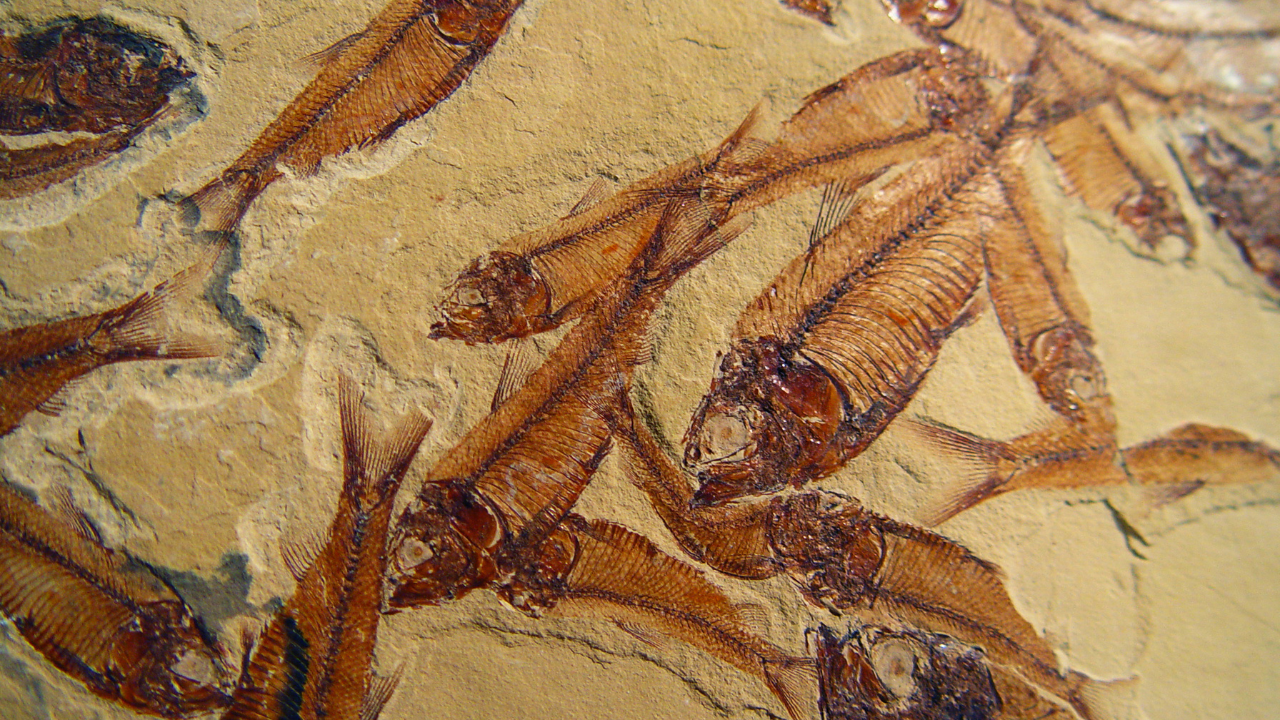
In an exciting development, researchers have pinpointed potential hotspots for fossil discoveries that remain undocumented. Focusing on the Cenozoic Era, celebrated for its rich marine biodiversity, this study seeks to enhance fossil hunting by concentrating efforts on less explored territories. Additionally, revisiting collections from natural history museums could yield new insights into ancient species…
In brief
Pirates, buckle up; there is a new treasure map in town.Scientists have drawn a treasure map of where fossils of ancient sea life may still be waiting to be found. And unlike the ones that lead to buried gold, this one could help us uncover creatures that swam through Earth's oceans millions of years ago. They allow scientists to reconstruct ancient ecosystems, understand how species evolved and piece together what life on Earth looked like millions of years ago.
This is the opening of the story, shared with credit to The Times of India — World. The rest of the report — with every detail — continues on the publisher’s website.
Continue reading at The Times of India — World ↗