

Who knew one animal could change an entire landscape?Beavers in an English estate did not hold meetings about biodiversity, draw up restoration blueprints or worry about water quality. They simply got to work, felling trees, building dams and creating homes around the waterways they inhabit.A recent study in England by University of Liverpool has found that reintroducing beavers to an estate in Essex transformed the surrounding stream in just a year. Researchers recorded an increase in terrestrial insects, higher oxygen levels in the water and a striking reduction in nitrate concentrations downstream. Some of these changes could be detected at least a kilometre away from the beavers' dams.The findings offer another reason to reconsider an animal that was once hunted out of Britain. They also demonstrate how restoring a species can have consequences that extend well beyond the animal itself.A landscape shaped by its inhabitantsThe animals in question are Eurasian beavers (Castor fiber), a species native to Britain that had been hunted to extinction in England around 400 years ago. Their thick fur, meat and castoreum, a substance produced by their scent glands and historically used in perfumes and medicines, made them valuable to hunters. But removing beavers also meant removing an important part of the country's natural ecosystem.Beavers are often described as ecosystem engineers.
Beavers reintroduced to an English estate changed its stream within a year
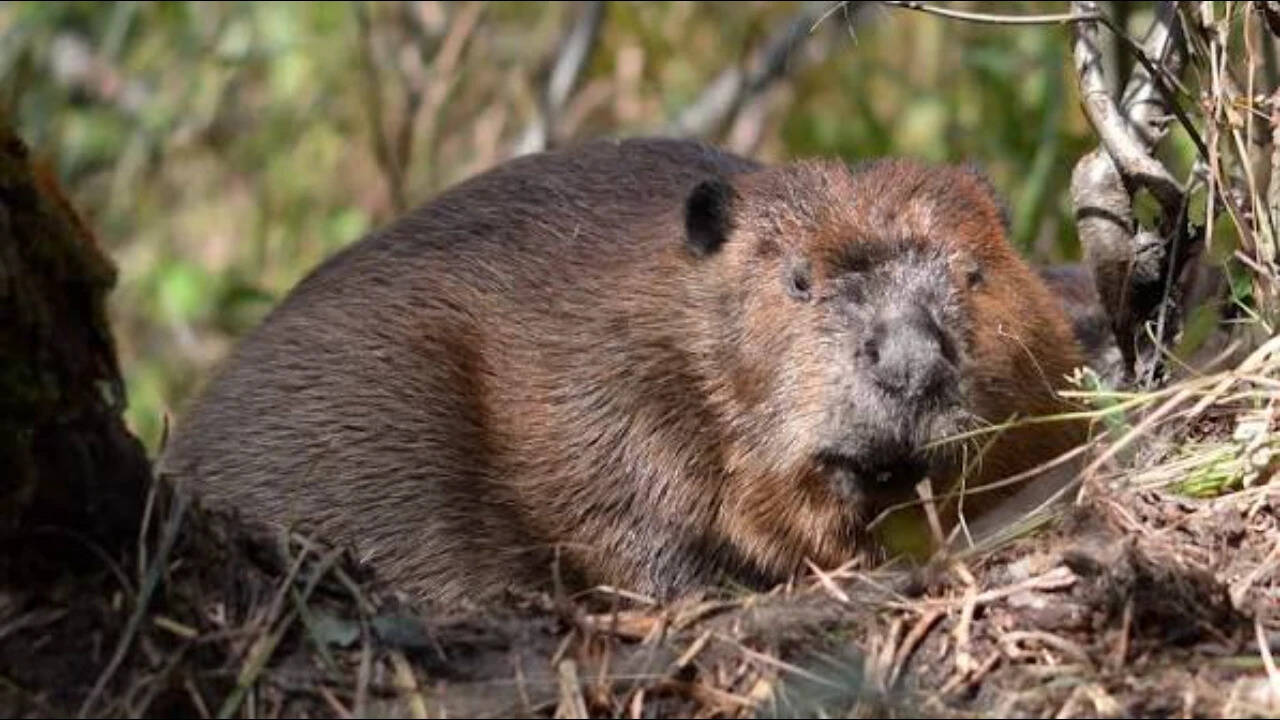
The Spains Hall Estate in Essex has welcomed the return of beavers, leading to remarkable improvements in the local ecosystem. A year after their reintroduction, studies revealed an increase in both the quantity and diversity of terrestrial invertebrates. Additionally, water quality enhancements were noted, with elevated oxygen levels and diminished nitrate concentrations.
In brief
Who knew one animal could change an entire landscape?Beavers in an English estate did not hold meetings about biodiversity, draw up restoration blueprints or worry about water quality. They simply got to work, felling trees, building dams and creating homes around the waterways they inhabit.A recent study in England by University of Liverpool has found that reintroducing beavers to an estate in Essex transformed the surrounding stream in just a year. But removing beavers also meant removing an important part of the country's natural ecosystem.Beavers are often described as ecosystem engineers.
This is the opening of the story, shared with credit to The Times of India — World. The rest of the report — with every detail — continues on the publisher’s website.
Continue reading at The Times of India — World ↗