📰 Newspapers

MIT's rejection of a Palestine linguistics course reflects political pressure on academic freedom

MIT's rejection of a Palestine linguistics course reflects political pressure on academic freedom

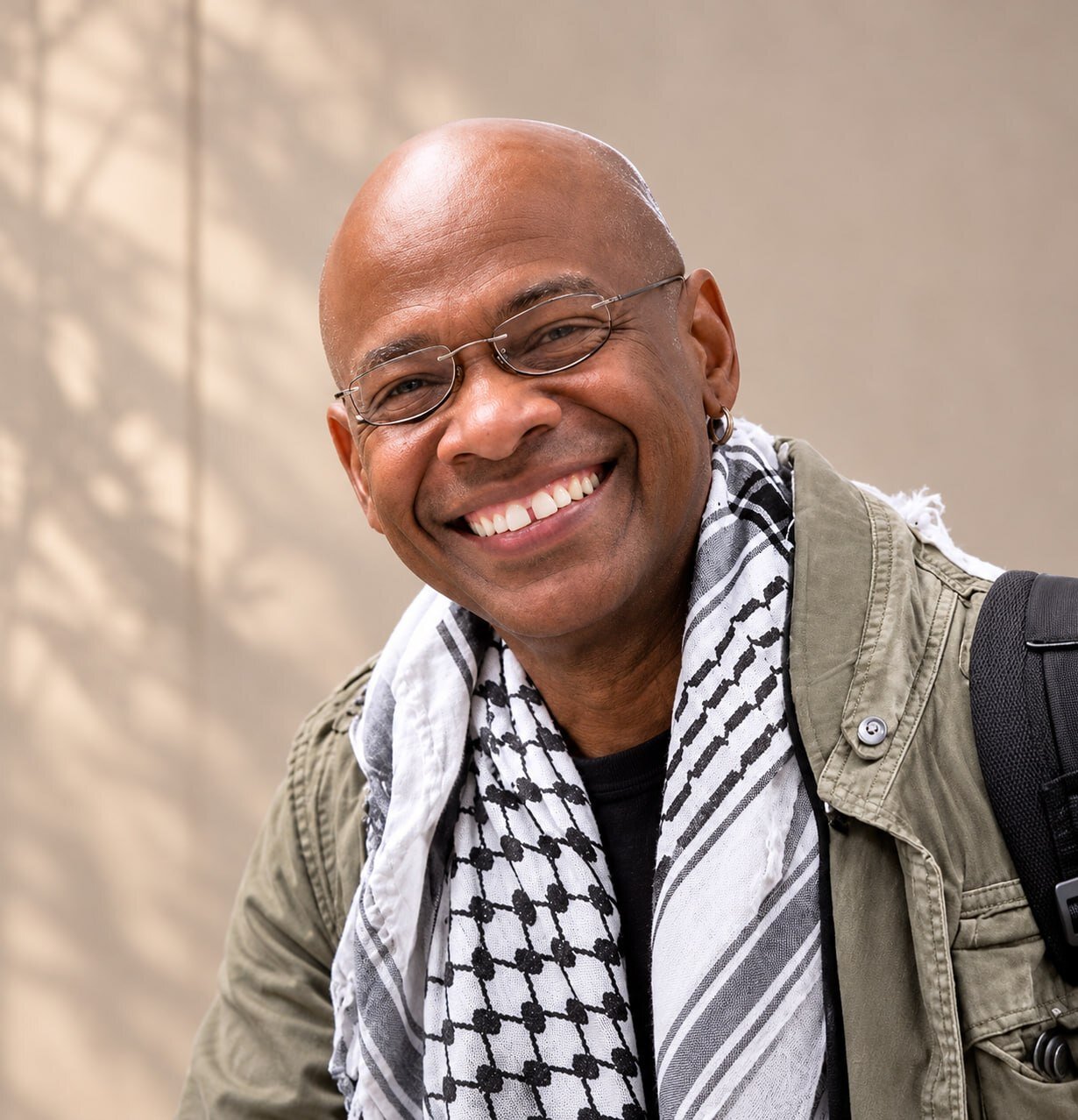
TEHRAN – Michel DeGraff, a Haitian-born linguist and professor at the Massachusetts Institute of Technology (MIT), has spent three decades examining the relationship between language, power and social justice. His academic work focuses on how language can reinforce social hierarchies and systems of domination, as well as how mother tongues can become instruments of resistance and liberation. His latest book, Our Own Language: Harnessing the Power of Kreyòl and Other Mother Tongues for Education and Liberation, explores these themes through the experience of Haitian Creole and other minoritized languages.

DeGraff’s work came under controversy after he proposed an MIT course examining the role of language and linguistics in decolonization and liberation struggles in Haiti, Palestine and Israel. The university rejected the proposal in July 2024. DeGraff argues that the decision reflected political pressure and restrictions on academic freedom rather than concerns about his academic qualifications or the course’s content. He has also challenged what he describes as the marginalization of Palestinian perspectives in academic institutions and public debate.

In an interview with the Tehran Times, DeGraff discusses his experience at MIT, the political uses of language, the responsibilities of universities and the connections between linguistic hierarchies and struggles for liberation.
In brief

TEHRAN – Michel DeGraff, a Haitian-born linguist and professor at the Massachusetts Institute of Technology (MIT), has spent three decades examining the relationship between language, power and social justice. DeGraff’s work came under controversy after he proposed an MIT course examining the role of language and linguistics in decolonization and liberation struggles in Haiti, Palestine and Israel. DeGraff argues that the decision reflected political pressure and restrictions on academic freedom rather than concerns about his academic qualifications or the course’s content.

This is the opening of the story, shared with credit to Tehran Times. The rest of the report — with every detail — continues on the publisher’s website.

Continue reading at Tehran Times ↗

Cookie settings

Choose which cookies we may use. You can change this at any time from Cookie settings in the footer. Details of each cookie are in the Cookie Policy.

Strictly necessary

Needed for sign-in, security, payments and remembering these choices. Always on.

Preferences

Remember settings such as dark mode.

Analytics & performance

Help us count visits, understand which pages, devices and countries our readers use, and measure how well the site performs – anonymous and aggregated.

Advertising & marketing

Lets advertising partners show and personalise adverts, measure impressions, clicks and visits, prevent ad fraud and pay us – this is how the free site is funded.

🔔 News notifications

Get headlines from NewsHub on this device — even when the site is closed.

You can switch this off at any time. Works on Android, Windows, Mac and Linux browsers; on iPhone/iPad add the site to your Home Screen first.