Do we pretend the records, books and films no longer exist, or ban our children from engaging with them?
As British comedian and author David Walliams faces allegations of grooming, it raises once again the age old question of how we deal with problematic personalities’ works.
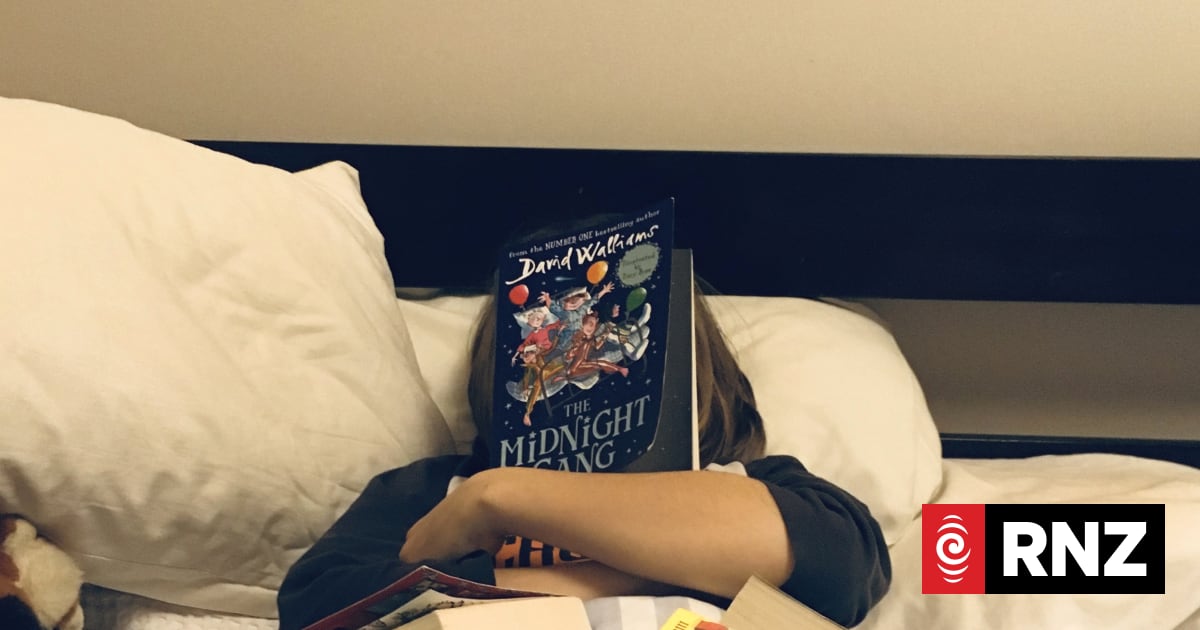
Ponsonby’s The Open Book has removed his books from their shelves. Unity Books told the NZ Herald they too were “phasing out” them out. Major chain stores also appear to follow suit, including Whitcoulls, The Warehouse and Paper Plus, where error messages displayed online. None could be found at physical branches either when RNZ visited some over the weekend.
While Walliams continues to deny the allegations, he has already become problematic in the eyes of audiences.
Across history, whether it’s Michael Jackson, J. K. Rowling, or Russell Brand, tarnished legacies have raised the question of whether consumption equals support, regardless of whether controversies centre on alleged or proven crimes or simply views that conflict with some fans’ values and beliefs.
But how do we decide once an artist, author or entertainer is ‘cancelled’?
Massey University media studies associate professor Nicholas Holm says nostalgia can make it difficult to draw the line, particularly when a connection to a work began before allegations emerged.