

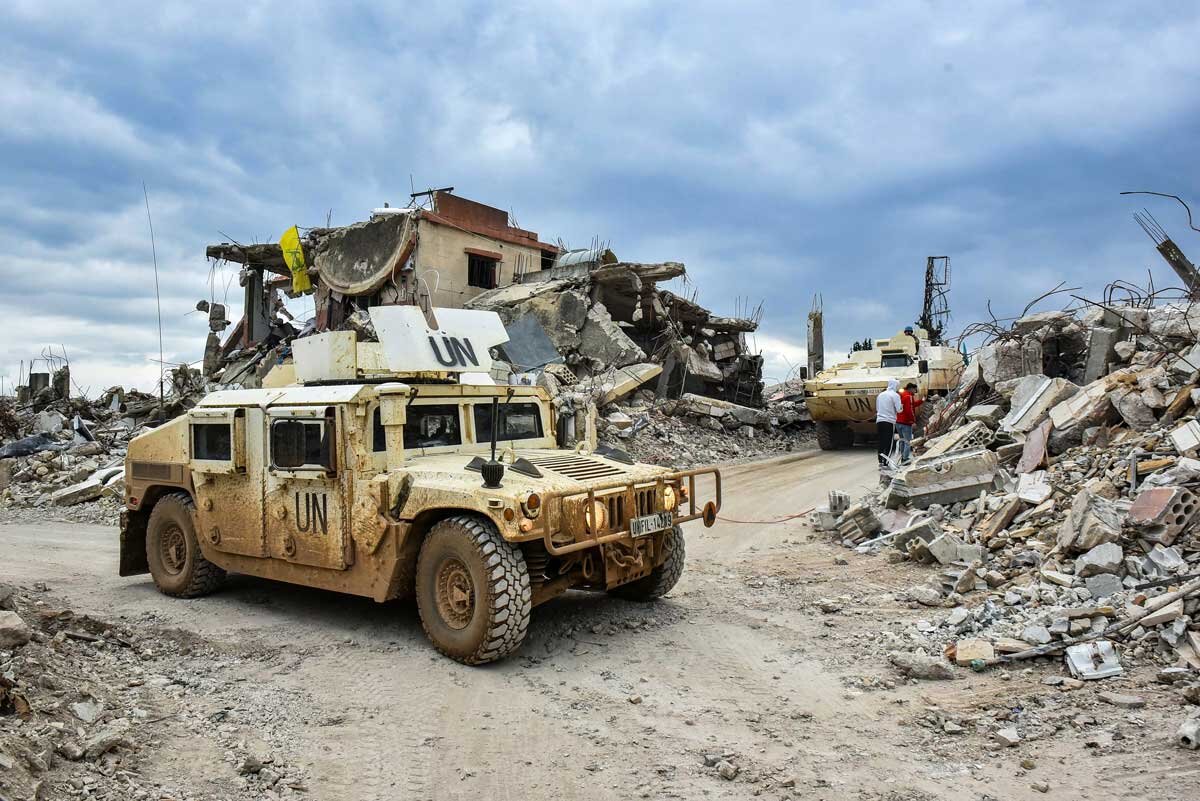
TEHRAN – Since the adoption of UN Security Council Resolution 1701 in 2006, relative stability in southern Lebanon rested on a three-part formula.
This included the expansion of the United Nations Interim Force in Lebanon (UNIFIL), deployment of the Lebanese Army backed by Hezbollah’s armed resistance alongside regional and international understandings aimed at preventing a slide into all-out confrontation.
But with UNIFIL’s mandate set to expire on December 31, 2026, reports have emerged suggesting that the U.S., along with some Lebanese parties, wants to turn the “Framework Agreement” into a UN Security Council resolution that would replace Resolution 1701.
The “Framework Agreement” is a U.S.-brokered deal signed by Lebanese authorities and the occupying Israeli regime in June 2026. It sets out a phased process: the Lebanese army takes control of two “pilot zones” in the south, Hezbollah is disarmed, and Israeli occupation forces withdraw gradually. Implementation has stalled, with Hezbollah rejecting the deal and the occupying regime refusing to withdraw.
Could the agreement become the new security framework governing southern Lebanon?
The U.S. position: Emphasis on “verification”
Following his meeting with French President Emmanuel Macron, U.S. Secretary of State Marco Rubio said: “The goal is to have a credible party on the ground capable of verifying the parties’ compliance (with the provisions of the framework agreement) in the pilot areas.”