

Elephants are known for their strong family bonds and complex social relationships, but declining populations may be putting these connections at risk. A 12-year study in Sri Lanka has found that the gradual loss of individual elephants can eventually trigger a sudden breakdown in their social networks, leaving surviving animals in smaller and more isolated communities.The research, led by scientists at the University of California San Diego (UC San Diego) and published in the journal Science on November 12, 2026, examined more than 440 wild female Asian elephants at Udawalawe National Park in Sri Lanka. The findings, reported by UC San Diego in a November 12 research announcement by Mario Aguilera, suggest that the population appears to have crossed a social tipping point after years of demographic changes, making its once closely connected communities increasingly fragmented.Population losses preceded social changesThe researchers analysed the social relationships of 443 female Asian elephants over 12 years, examining how their associations and community structures changed as individual animals disappeared from the population. Their findings showed that gradual demographic turnover eventually preceded a sudden change in the elephants' social networks. The population experienced a combination of likely deaths, permanent departures from the area and fewer new individuals joining the community.As these losses accumulated, the elephants shifted from larger, densely connected social communities to smaller groups…
12-year study finds declining elephant numbers lead to fragmented social networks
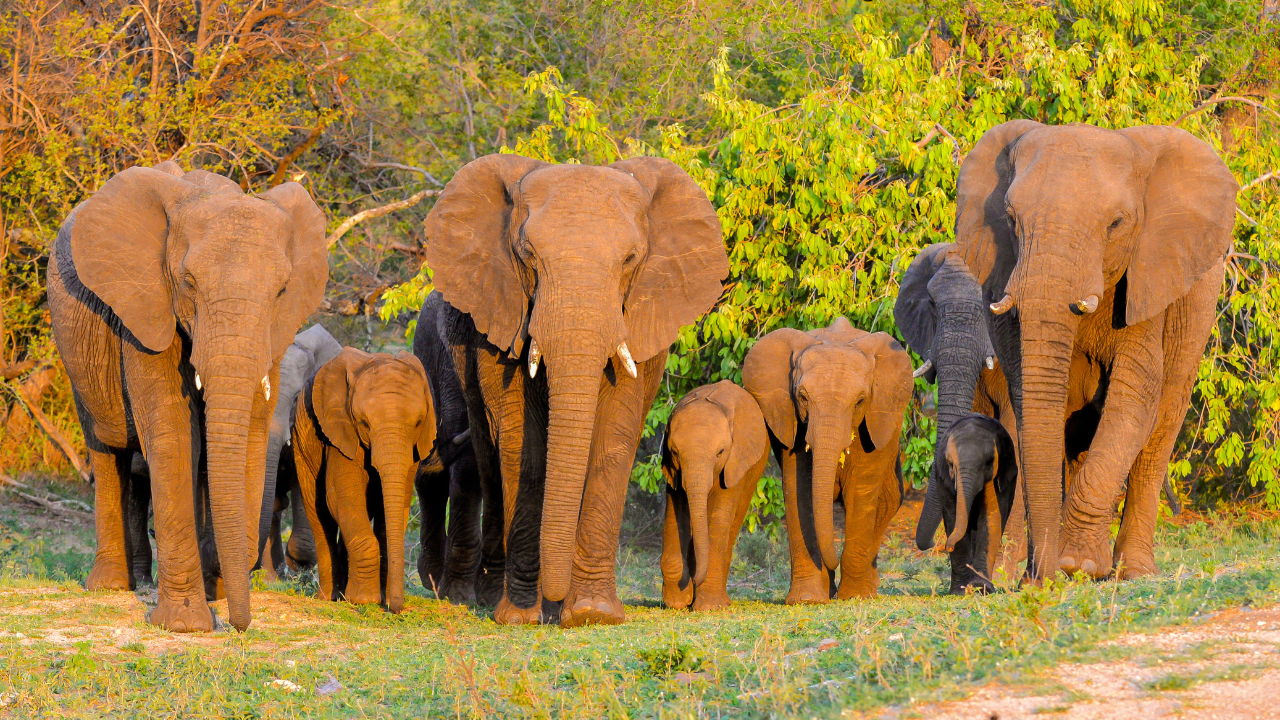
A study in Udawalawe National Park indicates that dwindling elephant groups result in significant social vulnerabilities. With fewer individuals, elephants transition from larger communities to smaller, more isolated factions, which impairs their capacity to nurture and feed effectively. Once a critical social threshold is exceeded, the difficulty of reversing such fragmentation intensifies.
In brief
Elephants are known for their strong family bonds and complex social relationships, but declining populations may be putting these connections at risk. Their findings showed that gradual demographic turnover eventually preceded a sudden change in the elephants' social networks. The population experienced a combination of likely deaths, permanent departures from the area and fewer new individuals joining the community.As these losses accumulated, the elephants shifted from larger, densely connected social communities to smaller groups…
This is the opening of the story, shared with credit to The Times of India — World. The rest of the report — with every detail — continues on the publisher’s website.
Continue reading at The Times of India — World ↗