📰 Newspapers

Goodbye, overtourism? Sustainable travel gains ground

Goodbye, overtourism? Sustainable travel gains ground

As tourism booms across Latin America, alternative forms of travel are gaining ground. Making your holiday more sustainable means rethinking who calls the shots, who invests and who benefits.

Latin America is currently one of the world's most dynamic tourism regions. According to UN Tourism, the United Nations agency responsible for promoting responsible tourism, international arrivals in South America grew by 7% last year, while Central America saw a 5% increase, both above the global average.

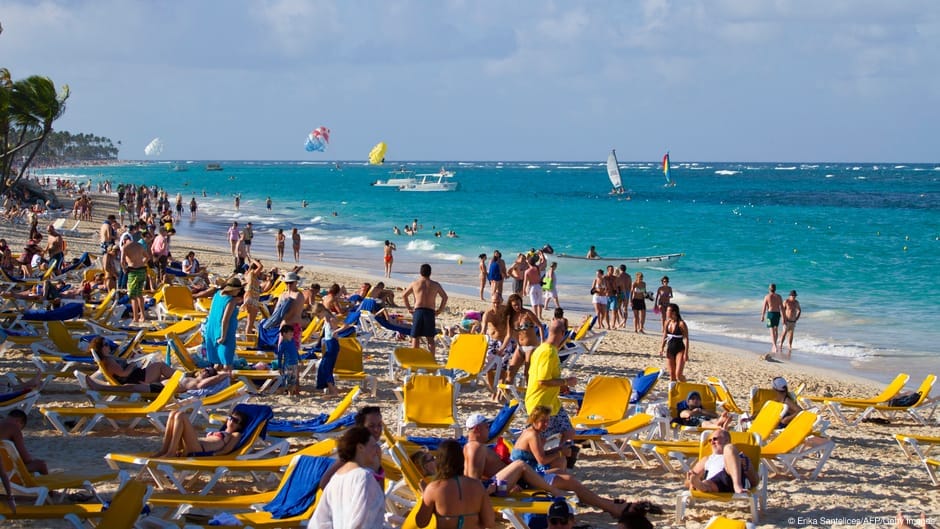
But the boom comes at a price: overtourism. In some destinations, the sheer number of visitors is creating environmental and social problems, fueling tensions and raising questions about who really benefits from the business.

One famous example is Machu Picchu, the Inca citadel in Peru, which lures up to 5,600 visitors a day. In 2025, Peru's official watchdog warned that more tickets were being sold than permitted, potentially putting the site at risk of being added to UNESCO's List of World Heritage in Danger. The UNESCO World Heritage Committee has already expressed its concern.

In a bid to protect the Galapagos Islands and its bountiful ecosystems that inspired Charles Darwin, Ecuador doubled the entrance fee for foreign visitors to $200 in 2024. Even so, pressure is mounting to construct new hotels and tourist apartments. And in Mexico City, the influx of tourists and digital nomads into neighborhoods such as Roma and Condesa has fueled protests over rising rents.

What can be done to make tourism more inclusive and sustainable?

In brief

Latin America is currently one of the world's most dynamic tourism regions. According to UN Tourism, the United Nations agency responsible for promoting responsible tourism, international arrivals in South America grew by 7% last year, while Central America saw a 5% increase, both above the global average. The UNESCO World Heritage Committee has already expressed its concern.

This is the opening of the story, shared with credit to DW — Top stories. The rest of the report — with every detail — continues on the publisher’s website.

Continue reading at DW — Top stories ↗

Cookie settings

Choose which cookies we may use. You can change this at any time from Cookie settings in the footer. Details of each cookie are in the Cookie Policy.

Strictly necessary

Needed for sign-in, security, payments and remembering these choices. Always on.

Preferences

Remember settings such as dark mode.

Analytics & performance

Help us count visits, understand which pages, devices and countries our readers use, and measure how well the site performs – anonymous and aggregated.

Advertising & marketing

Lets advertising partners show and personalise adverts, measure impressions, clicks and visits, prevent ad fraud and pay us – this is how the free site is funded.

🔔 News notifications

Get headlines from NewsHub on this device — even when the site is closed.

You can switch this off at any time. Works on Android, Windows, Mac and Linux browsers; on iPhone/iPad add the site to your Home Screen first.