📰 Newspapers

Wi-Fi 8 is an attempt to fix the biggest problem with wireless internet

Wi-Fi 8 is an attempt to fix the biggest problem with wireless internet

With current Wi-Fi standards reaching beyond consumer-level speeds, Wi-Fi 8 is entering the fray with a fix that makes those speeds mean something.

Because perfection currently remains just out of range.

Sometimes, better doesn't mean faster. With Wi-Fi 7 realistically capping out at about 23 Gbps (a number virtually nobody will see in the real world), speed is more than covered in the current generation. At this point, the biggest concern is reliability. Released in 2024, Wi-Fi 7 has been known to suffer from pain points like poor stability, weak wall penetration, and relatively short range.

Wi-Fi 8, which is still in development, is designed to address the considerable reliability issues plaguing the internet today. Final approval is expected in 2028, although companies like ASUS and TP-Link wasted no time announcing their first Wi-Fi 8 router based on the draft spec.

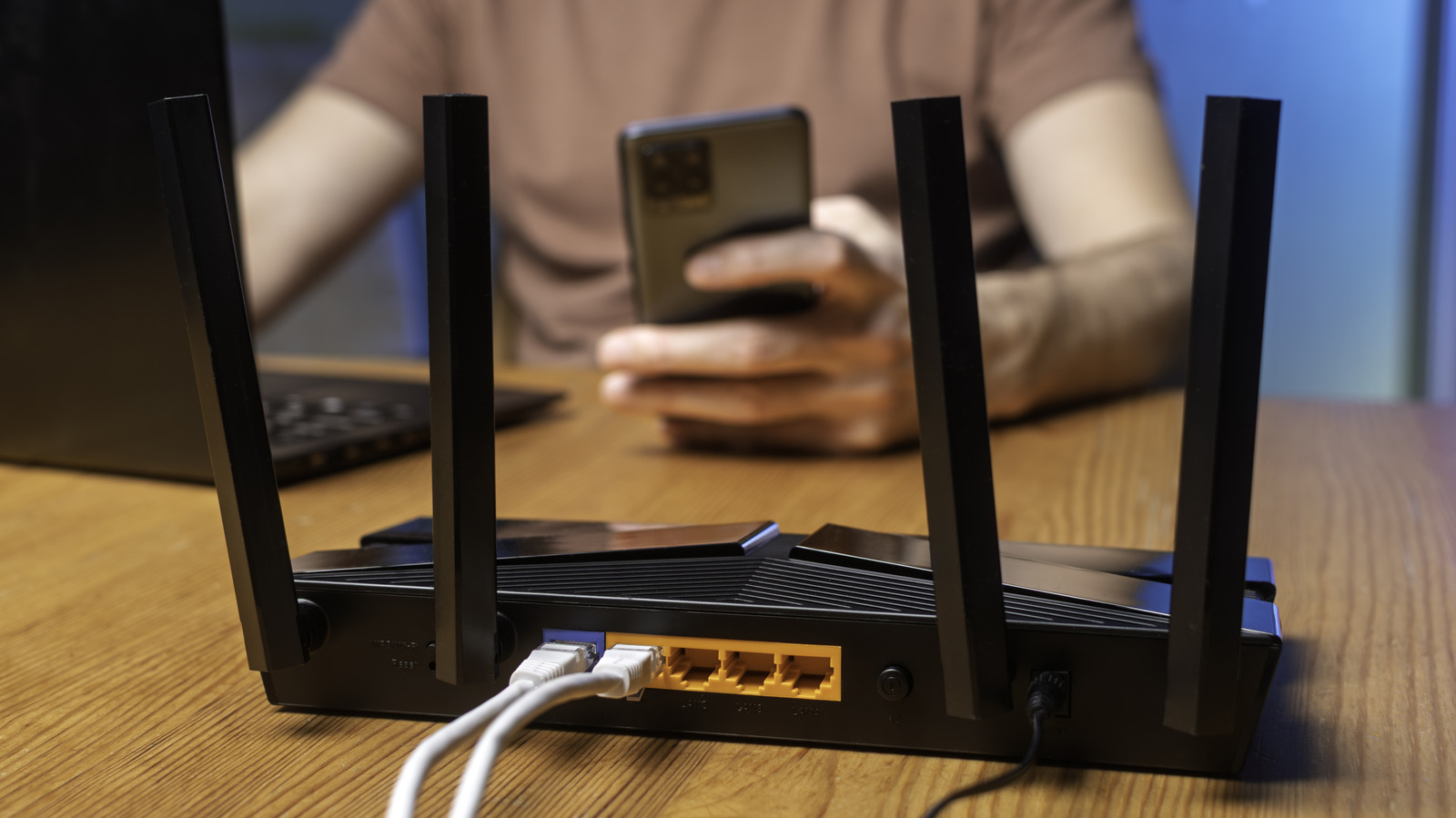
Most home internet plans offer speeds of a few hundred megabits per second, which older Wi-Fi 6 routers should handle with ease. For faster speeds, like a 2 Gbps fiber connection, Wi-Fi 7 can largely keep up (especially if you're sitting right next to the router). Wi-Fi 8 shifts the focus to stability, aiming to plug the holes that lead to shaky connections. It's being designed to fix common issues, like a weak signal in one part of the house, an apartment building with 20 networks competing for airtime or a clunky mesh handoff when walking between rooms.


In brief

Because perfection currently remains just out of range. At this point, the biggest concern is reliability. Released in 2024, Wi-Fi 7 has been known to suffer from pain points like poor stability, weak wall penetration, and relatively short range. Wi-Fi 8, which is still in development, is designed to address the considerable reliability issues plaguing the internet today.

This is the opening of the story, shared with credit to Engadget. The rest of the report — with every detail — continues on the publisher’s website.

Continue reading at Engadget ↗

Cookie settings

Choose which cookies we may use. You can change this at any time from Cookie settings in the footer. Details of each cookie are in the Cookie Policy.

Strictly necessary

Needed for sign-in, security, payments and remembering these choices. Always on.

Preferences

Remember settings such as dark mode.

Analytics & performance

Help us count visits, understand which pages, devices and countries our readers use, and measure how well the site performs – anonymous and aggregated.

Advertising & marketing

Lets advertising partners show and personalise adverts, measure impressions, clicks and visits, prevent ad fraud and pay us – this is how the free site is funded.

🔔 News notifications

Get headlines from NewsHub on this device — even when the site is closed.

You can switch this off at any time. Works on Android, Windows, Mac and Linux browsers; on iPhone/iPad add the site to your Home Screen first.