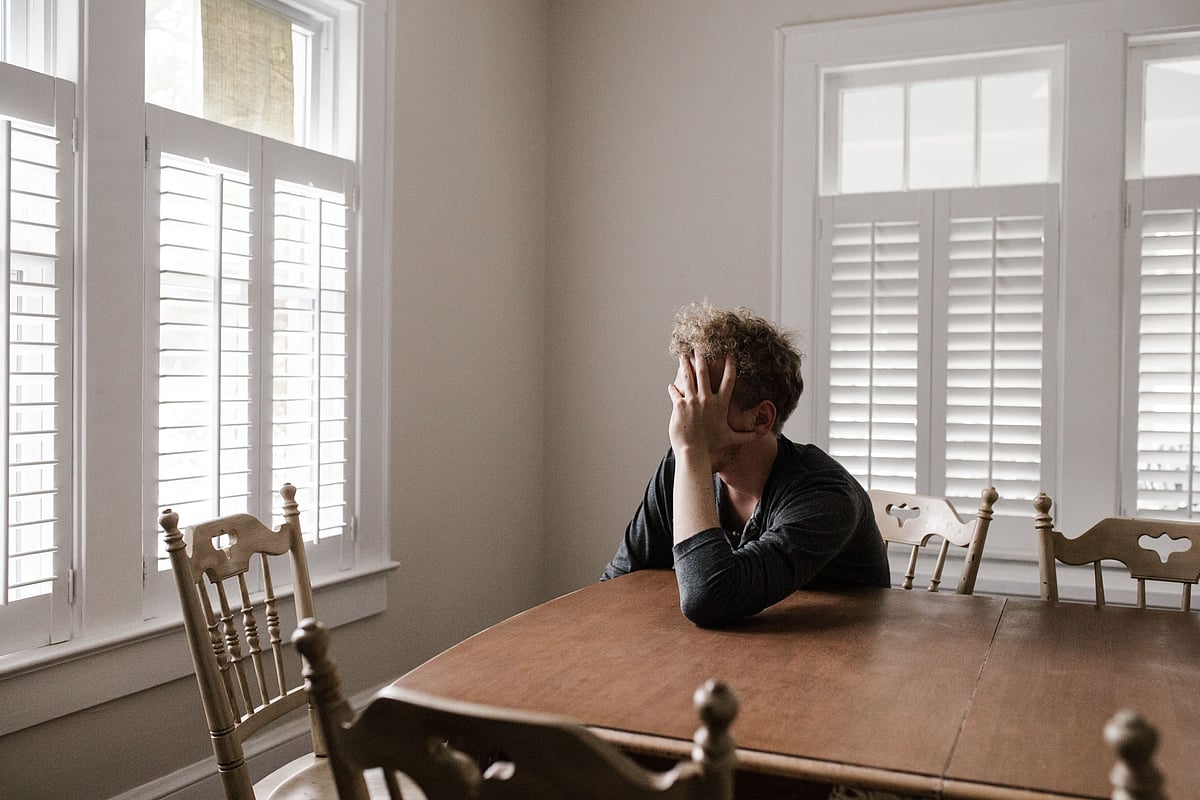
It rarely announces itself. There is the afternoon slump that a second coffee no longer lifts, the gym session abandoned halfway through, the evenings when desire seems to have wandered off and not come back. For a growing number of men, the explanation feels obvious, and so does the remedy: their testosterone must be running low, and something, whether a pill, a powder or a prescription obtained without too many questions, will top it back up.
As Dr. Fernando Porras, general practitioner and medical director at Dubai-based OMICS Precision Health explains, the danger is assuming these symptoms automatically indicate low testosterone. The same exhaustion and mental fog, he points out, may instead be linked to thyroid problems, metabolic conditions or nutritional deficiencies.
The real challenge is telling genuine low testosterone apart from the everyday exhaustion of stress, poor sleep and long hours.
More than a gym hormone
In popular imagination, testosterone is about muscle and bravado. Clinically, it does far more. Low testosterone, known medically as hypogonadism, occurs when the body does not produce sufficient amounts of testosterone, a hormone essential for men's reproductive and overall health, as Dr. Vinodh Kumar Manoharan, consultant urologist at RAK Hospital, explains. Most men expect the first signs to be a loss of energy and drive, and often they are.