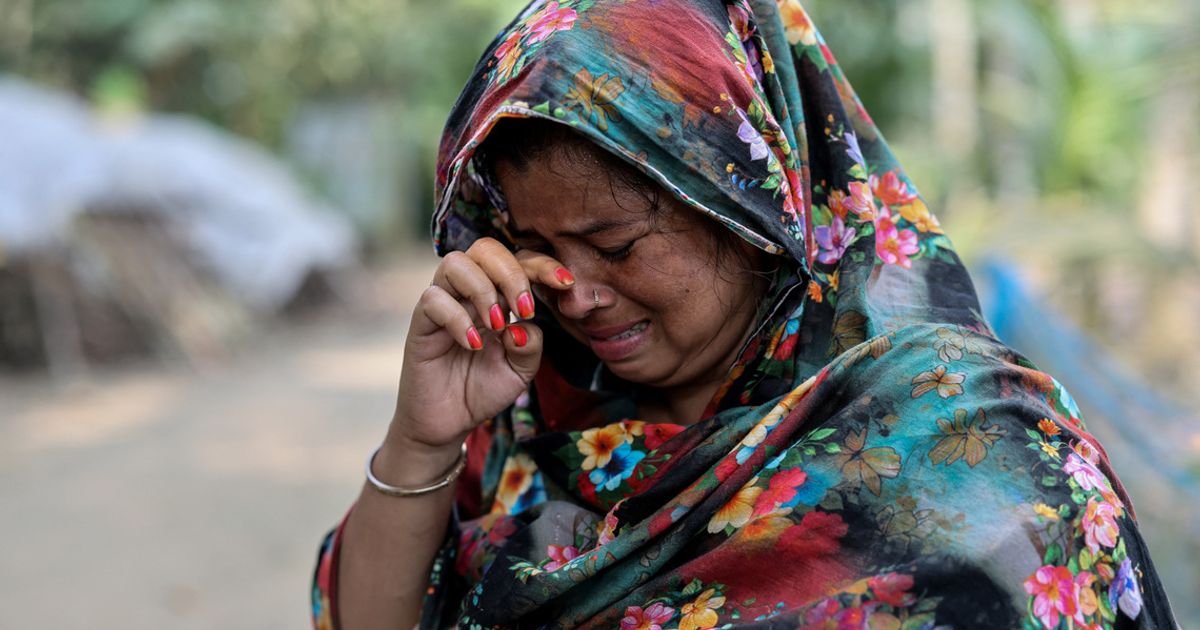
SWARUPNAGAR, India / SATKHIRA, Bangladesh – When Sahida Fakir stepped out of her Mumbai home on July 19 to buy vegetables, she told her younger son she would be back in minutes.
More than three months later, the 38-year-old is living in a Bangladeshi village, separated from her husband and two sons.
Fakir said plainclothes officers detained her, seized her phone — which she said contained copies of identity documents — and eventually forced her across the border.
Court filings show the officials belonged to the Mumbai police crime branch. The department did not respond to a request for comment.
“Someone grabbed my hand from behind and ordered me to get into the vehicle,” Fakir told Reuters in Satkhira, Bangladesh.
Fakir is among 10 families Reuters interviewed whose relatives were detained, deported or questioned over their citizenship after being dropped from India’s revised electoral rolls.
All had Indian identity or family documents while relatives including parents and siblings remained on the voter lists.
The cases show how India’s sweeping voter-roll revision has become entangled with a separate drive to identify and expel suspected illegal immigrants, even though removal from the rolls does not itself establish that someone is a foreigner.
The voter list revision struck 130 million names nationwide in the largest deletion of voters in India’s history.