📰 Newspapers

South Korea to inspect glasses worn by exam candidates after AI cheating scandal

South Korea to inspect glasses worn by exam candidates after AI cheating scandal

All glasses worn by candidates in every session of the College Scholastic Ability Test will be inspected.

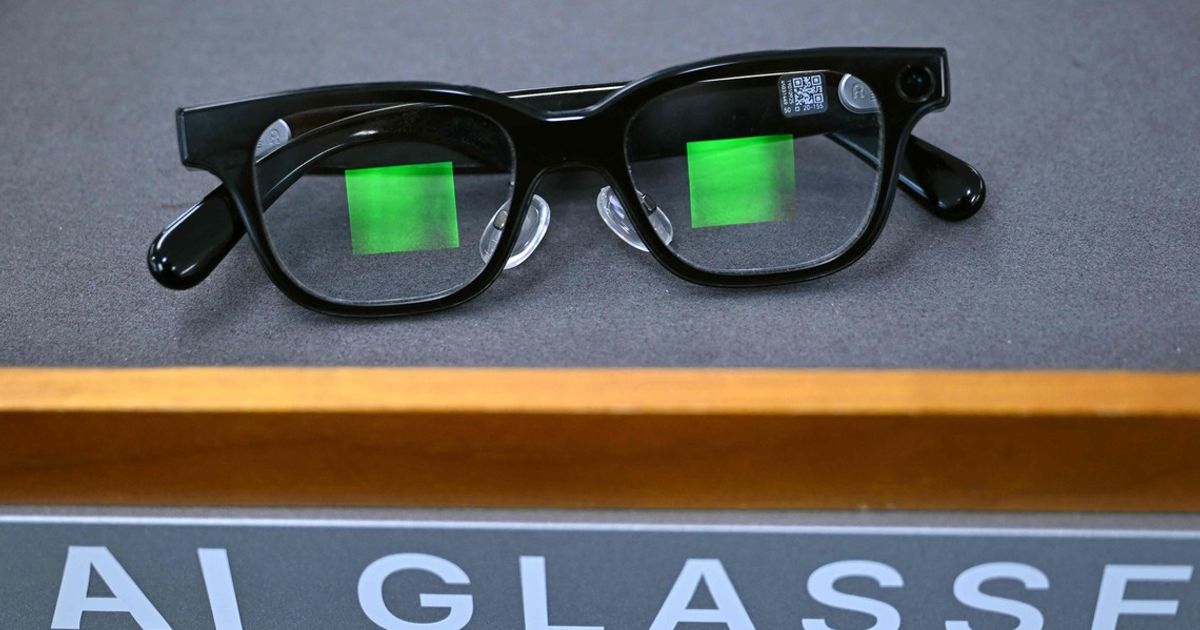
SEOUL – South Korea will inspect every pair of glasses worn by students taking this week’s national college entrance exam to prevent AI-assisted cheating, after cheating in the tax accountant exam shook public confidence in the country’s high-stakes testing system.

There have even been calls to postpone the university entrance exam to ensure a fair test after the scandal, although the South Korean Education Ministry has ruled out a delay to an exam seen as crucial to success in South Korea’s hyper-competitive society.

South Korea’s Education Minister Choi Kyo-jin told a parliamentary hearing on Nov 16 the ministry would inspect all glasses worn by candidates in every session of the College Scholastic Ability Test (CSAT).

Smart devices were added to the list of banned items in July.

Smart glasses have raised concern globally because they can be used to photograph, film or audio-record confidential ‌material or people without their knowledge.

Notices posted outside every exam room will warn of exam bans and criminal penalties if anyone is found to be cheating, Choi said.

Every exam centre will have at least one member of staff dedicated to monitoring smart devices.

A hotline will link the centres, local education offices and the ministry’s control room for any cases that are hard to judge on the spot.

In brief

SEOUL – South Korea will inspect every pair of glasses worn by students taking this week’s national college entrance exam to prevent AI-assisted cheating, after cheating in the tax accountant exam shook public confidence in the country’s high-stakes testing system. Notices posted outside every exam room will warn of exam bans and criminal penalties if anyone is found to be cheating, Choi said.

This is the opening of the story, shared with credit to The Straits Times — Asia. The rest of the report — with every detail — continues on the publisher’s website.

Continue reading at The Straits Times — Asia ↗

Cookie settings

Choose which cookies we may use. You can change this at any time from Cookie settings in the footer. Details of each cookie are in the Cookie Policy.

Strictly necessary

Needed for sign-in, security, payments and remembering these choices. Always on.

Preferences

Remember settings such as dark mode.

Analytics & performance

Help us count visits, understand which pages, devices and countries our readers use, and measure how well the site performs – anonymous and aggregated.

Advertising & marketing

Lets advertising partners show and personalise adverts, measure impressions, clicks and visits, prevent ad fraud and pay us – this is how the free site is funded.

🔔 News notifications

Get headlines from NewsHub on this device — even when the site is closed.

You can switch this off at any time. Works on Android, Windows, Mac and Linux browsers; on iPhone/iPad add the site to your Home Screen first.