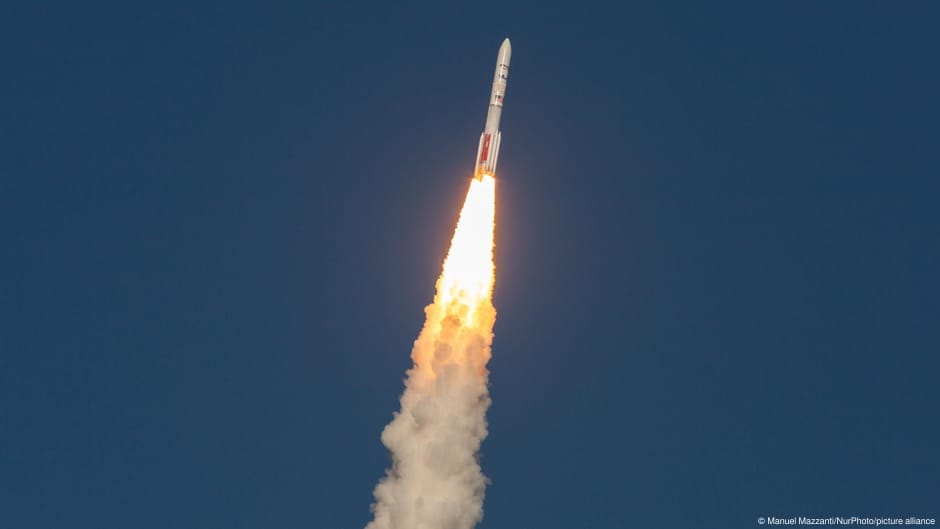
A Vulcan rocket operated by United Launch Alliance, a joint venture of Boeing and Lockheed Martin, failed about 10 minutes after liftoff from the Cape Canaveral Space Force Station on Sunday. The incident resulted in the loss of all 40 AmazonLeo internet satellites aboard, marking the company's first mission failure.
"Based on data received by our Launch Director, we confirm that the Vulcan vehicle launched from Space Launch Complex 41 suffered an anomaly 10 minutes into the flight and failed to deliver the Amazon mission to orbit," ULA said in a statement.
"Every flight generates data, and every flight teaches us something. Since the anomaly just occurred, we don't have any specific data yet to understand what occurred today," ULA added.
The failed launch marks a major setback for ULA's new flagship rocket. The two-decade-old company was set to begin a regular cadence of launches for Amazon's burgeoning satellite internet program.
The failure is expected to trigger a lengthy technical investigation, potentially grounding the Vulcan rocket for months.
US companies could face reduced launch capacity amid other rocket failures, industry challenges and uncertainty over the future availability of SpaceX's Falcon 9, the world's most active rocket. SpaceX is no longer accepting bookings for the rocket.
"There is risk with any launch, and that's especially true for inaugural missions like LV-01,"…