

Building air-to-air missiles near Taiwan could ease US backlogs, but Taipei tempers expectations.
TOKYO/BEIJING – A landmark pact between Washington and Tokyo to assemble frontline air-to-air missiles on Japanese soil marks a decisive shift in Indo-Pacific defence, drawing swift condemnation from a leery Beijing and raising the stakes over any conflict over Taiwan.
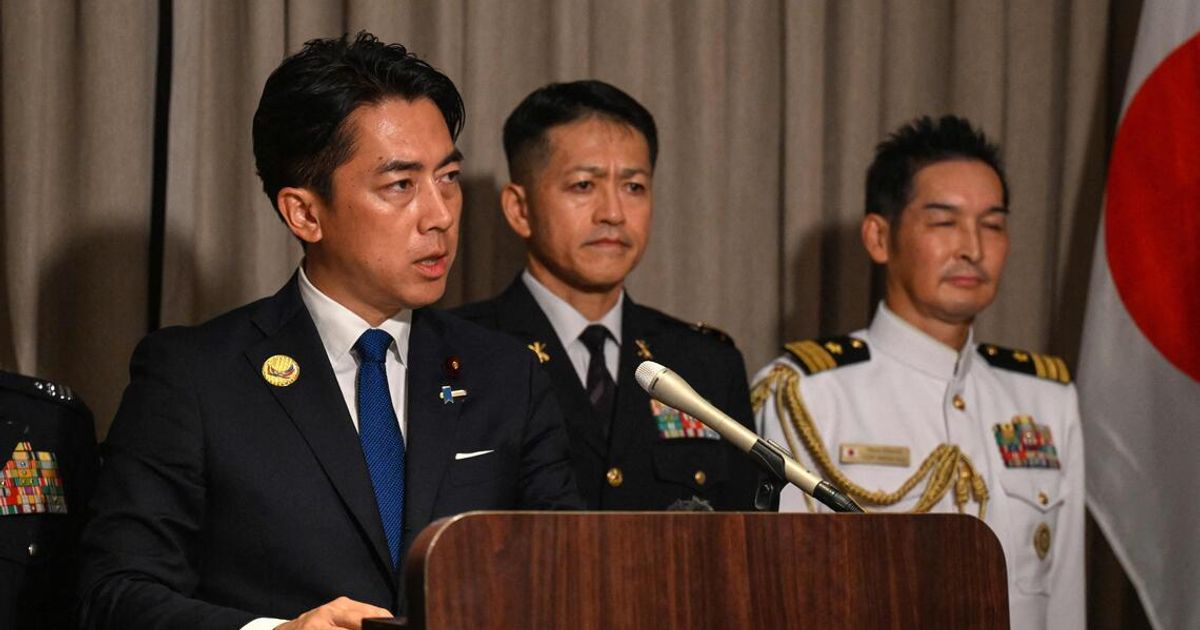
Japanese Defence Minister Shinjiro Koizumi and US Secretary of War Pete Hegseth reached the agreement in the Philippines on Oct 28, on the sidelines of the ASEAN Defence Ministers’ Meeting-Plus in Cebu, which comes as part of the “Operation Supercharge” push to accelerate weapons co-development and co-production.
Japan will become the first country outside the United States to host a Final Assembly and Check-Out (FACO) facility for the AIM-120 Advanced Medium-Range Air-to-Air Missile (AMRAAM). They also agreed to boost technical sharing to expand output of the Standard Missile-3 (SM-3) Block IIA, a jointly developed naval interceptor designed to destroy incoming ballistic missiles.
“This represents a groundbreaking agreement that will contribute not only to the reliable acquisition of defence equipment needed by both Japan and the US, but also to the strengthening of Japan’s defence industrial base,” Koizumi said on Oct 28.
The move immediately drew fire from Beijing, which perceives it as a direct challenge to its anti-intervention stance. China routinely accuses Japan of “new militarism”