With 98 percent of votes counted, Cape Verde’s President José Maria Neves is projected to win re-election with nearly 64 percent of the vote.
Claiming victory on Sunday evening, Neves promised to build cross-party support to improve housing, healthcare and education, and create jobs.
“I am going to be a president as we affirmed in the electoral campaign and as we carried out in the first term, of all Cabo Verdeans, independently of their political and social sensibilities," Neves told supporters.
"The president of this republic is not about the majority vote, the president of the republic is for everyone and you can count on this president to forge the union of all Cabo Verdeans in the islands and in the diaspora.”
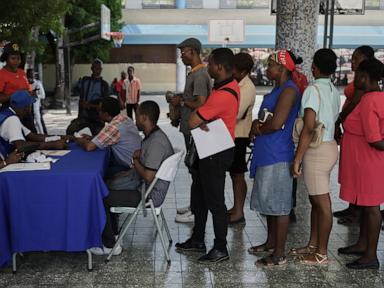
Official results show turnout at around 32 percent of the more than 400,000 eligible voters.
The country’s first ever female presidential candidate Joana Rosa came second with 31.5 percent.
The West African archipelago has a history of competitive elections and peaceful transfers of power. It is considered a model of democracy in Africa, with strong economic growth.
The African Party for the Independence of Cape Verde, which backs Neves and controls the government and most municipalities won a parliamentary majority in May, ending a decade of rule by the Movement for Democracy.