Under the new crisis-preparedness guidelines, presented last week, the European Commission recommended citizens prepare emergency supplies, evacuation bags, and family plans. People should keep sufficient drinking water, stockpile non-perishable food and essential medicines, and keep first-aid supplies, flashlights, batteries, a radio, power banks, cash and important documents. The first 72 hours are considered critical because emergency services may be overwhelmed. During a large-scale flood, blackout, cyberattack or armed conflict, rescue teams must prioritise immediate life-threatening situations and may not be able to assist every household simultaneously. Essential services such as electricity, drinking water, heating, transport, telecommunications and electronic payments can be interrupted, making access to necessities increasingly difficult. This initiative is part of the EU Preparedness Union Strategy launched in March 2025, which aims to shift Europe from reacting to disasters to anticipating and preparing for them. The EU faces several threats, including Russia's war against Ukraine, potential sabotage of critical infrastructure, cyberattacks, disinformation, extreme weather, floods, wildfires and major power outages. However, European countries have very different levels and traditions of preparedness; several northern European countries already operate established national preparedness systems, but Southern states are trailing behind. Can these guidelines help protect Europeans in an emergency? Or are they taking the responsibility away from public services? Our poll is anonymous and takes only a few seconds to complete.…
Are European households prepared for a crisis? Take our poll.
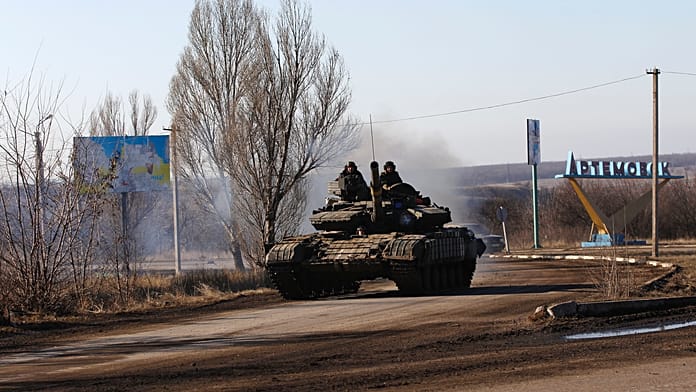
The EU is asking citizens to become more self-sufficient in a crisis. The European Commission has advised households to stock up on emergency supplies, to last at least 72 hours.
In brief
Under the new crisis-preparedness guidelines, presented last week, the European Commission recommended citizens prepare emergency supplies, evacuation bags, and family plans. The first 72 hours are considered critical because emergency services may be overwhelmed. However, European countries have very different levels and traditions of preparedness; several northern European countries already operate established national preparedness systems, but Southern states are trailing behind.
This is the opening of the story, shared with credit to Euronews. The rest of the report — with every detail — continues on the publisher’s website.
Continue reading at Euronews ↗