African businesses have more options for moving money across borders than they did a few years ago, but the cost of accessing those services still depends heavily on the financial institutions handling transactions.
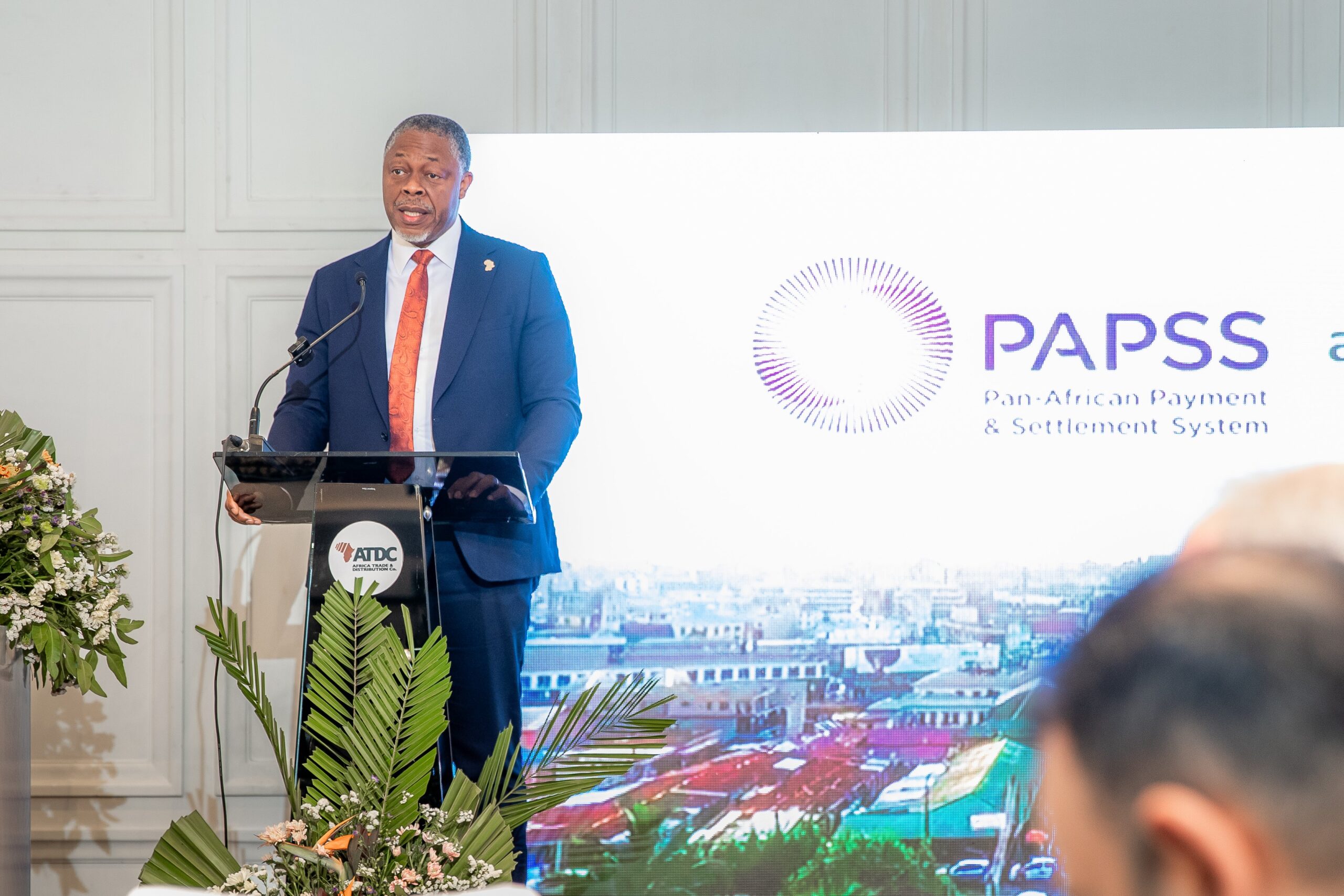
The Pan-African Payment and Settlement System (PAPSS) is trying to reduce that dependence by allowing participating countries to settle payments in their own currencies. Its expansion into Kenya and other African markets has given the network a wider institutional footprint, although the charges businesses ultimately pay remain partly outside its control.
PAPSS Chief Executive Officer Mike Ogbalu says participating financial institutions sometimes add their own margins to the system's relatively low infrastructure fees, limiting the savings that reach customers. The organisation puts its average infrastructure fees at approximately 0.1% of transaction value, but the final price depends on the institutions providing access to the service.
This creates a commercial challenge for a network designed to make intra-African trade payments cheaper. PAPSS can reduce the cost of processing and settling transactions, but it cannot automatically ensure that banks and other participants pass the full reduction to businesses. Kenya's domestic payment networks provide PAPSS with a continental route Kenya's connection to PAPSS rests partly on existing domestic payment infrastructure rather than individual businesses establishing direct relationships with the continental network.