

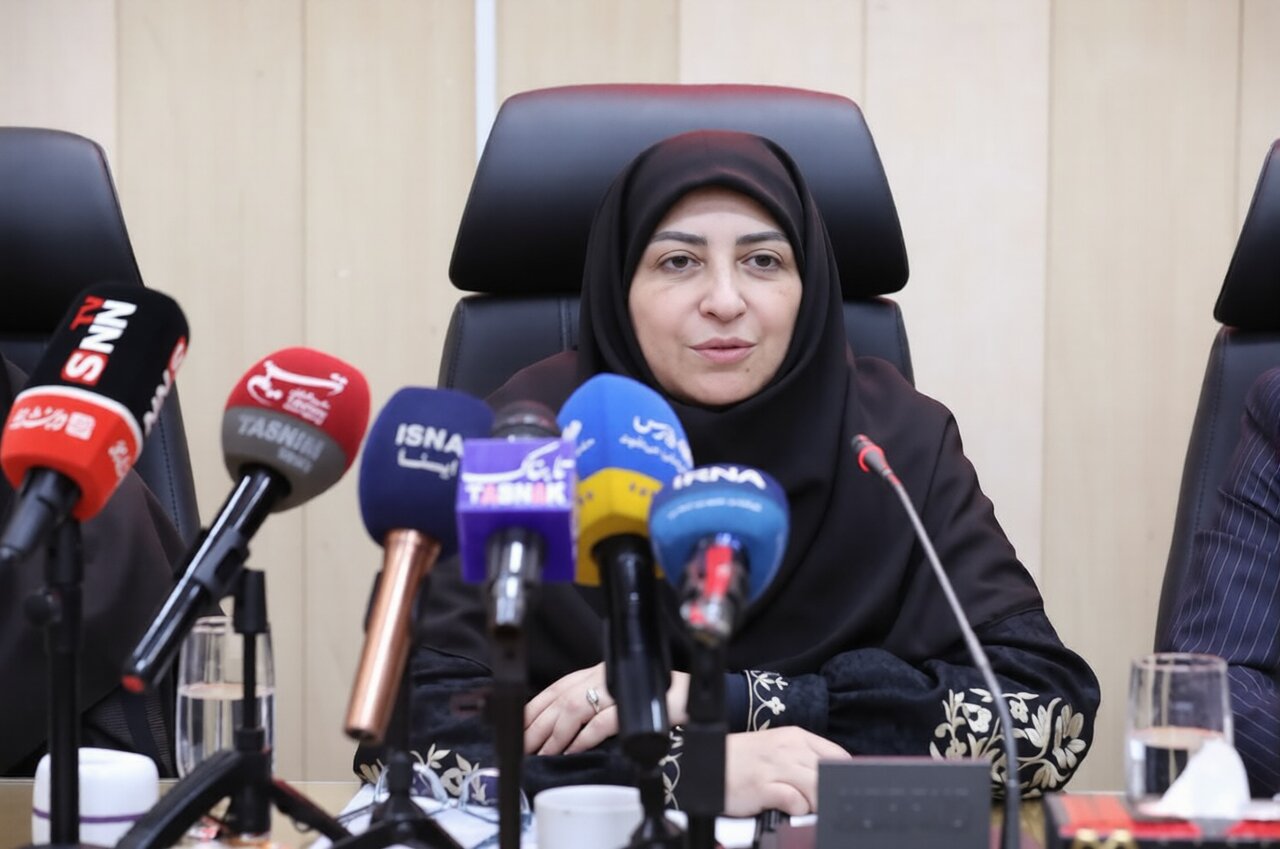
TEHRAN – Reconstruction after the war should be viewed as an opportunity not merely to restore pre-war conditions, but to promote green recovery, advance sustainable development, and address environmentally harmful development patterns, Shina Ansari, head of the Department of Environment (DOE), has said.
She stressed that the consequences of war extend far beyond the cessation of military hostilities, leaving lasting impacts on soil, water, air, forests, wetlands, and natural habitats that can persist for years and affect future generations.
The official made the remarks on Monday at an international conference titled “The Shadow of War on People and Nature in the Region.”
Ansari said designating November 6 as the International Day for Preventing the Exploitation of the Environment in War and Armed Conflict serves as a reminder that environmental protection must not be sidelined during wartime. Assessments of the environmental consequences of armed conflicts, she added, should begin during conflicts rather than be postponed until they end.
Referring to the five interconnected pillars of the United Nations Sustainable Development Agenda — people, planet, prosperity, peace, and partnership — Ansari said these dimensions could not be achieved independently. The experience of war, she noted, demonstrates that peace is the essential foundation for achieving the other dimensions of sustainable development.