When the floods hit Pakistan he went out to help. Then the water reached his own family. This is Imran Lodhi’s story
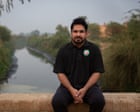
Imran Lodhi is a university lecturer with a doctorate in climate change and sustainable development. The 41-year-old was living in Dera Ghazi Khan, a city in south-western Punjab, when floods devastated provinces across Pakistan. Climate change made the monsoon rainfall that caused the floods more intense.
In 2022, I was living in an area that had less risk of flooding. I had a small child and my PhD thesis was just a few weeks away. I tried to avoid flood news on social media until I saw a picture of a two-year-old girl who was buried in mud. It was probably her last breath. She died after that. That was the turning point.
I immediately called my friends, six to seven people, in a mosque. I talked to them: “We don’t know what to do, but at least we can start from somewhere.” Initially, it was food. We hired some commercial cooks.
We planned to work only in villages close to our city. A lot of people were taking refuge in nearby high places, high enough that the water did not reach them. On the first day we went with some food to the nearest village.