

Want to bookmark your favourite articles and stories to read or reference later? Start your Independent Membership today.
It may only be the beginning of the dry season in Zimbabwe, but the midday sun is still brutally hot as Reason Muchegwa, a nurse from the local government-run clinic, sits on a repurposed leather saddle.
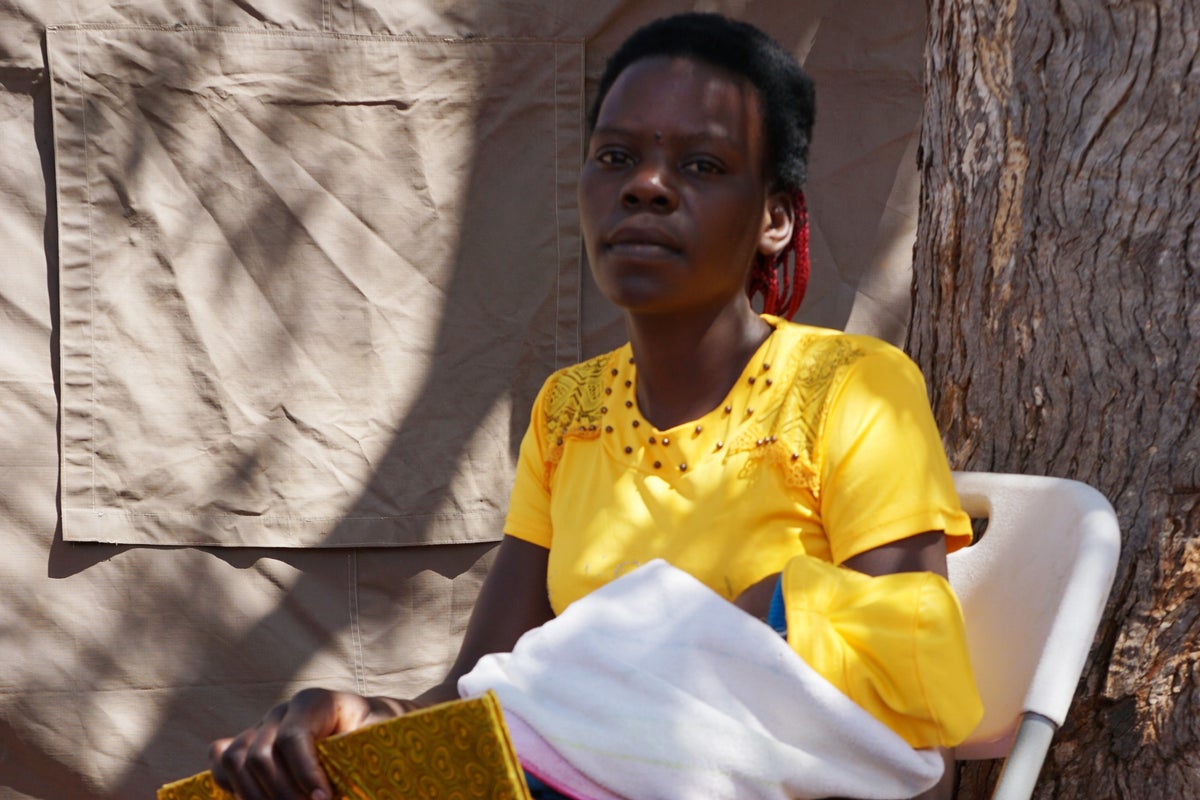
He is speaking to 19-year-old Ruth, who holds the second child she has given birth to in the last 14 months in her arms. Muchegwa is trying to convince the teenager why it would be sensible for her to have a long-acting contraceptive implant inserted to give her much-needed rest before another pregnancy.
Although 10 months apart in age, Ruth’s two babies appear similar in size and weight and she is visibly exhausted from trying to breastfeed them both.
Ruth lives with her husband in a modest homestead in Matabeleland North, one of Zimbabwe’s poorest and least developed provinces where low rainfall, poor soils and extreme heat make daily life a battle.
Despite taking oral contraceptive pills after the birth of her first child, Ruth explains she must have accidentally missed a dose because she soon became pregnant again.
Desperate not to have another child, Ruth tried unsuccessfully to end the pregnancy herself.