📰 Newspapers

Mercedes' clever new driving assist handles complex traffic like a champ

Mercedes' clever new driving assist handles complex traffic like a champ

The point-to-point driver assist is coming to the US and Germany in 2027.

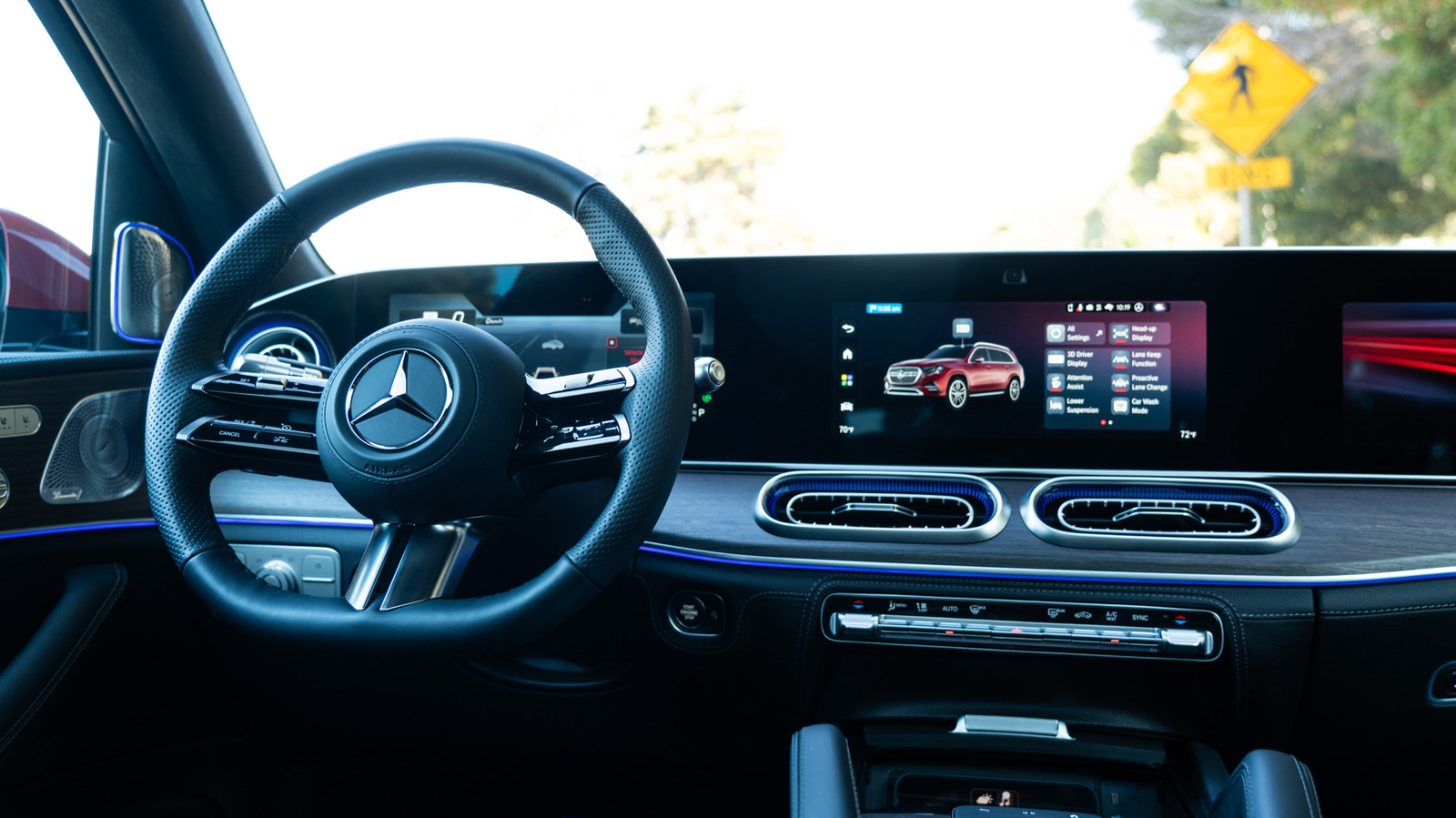
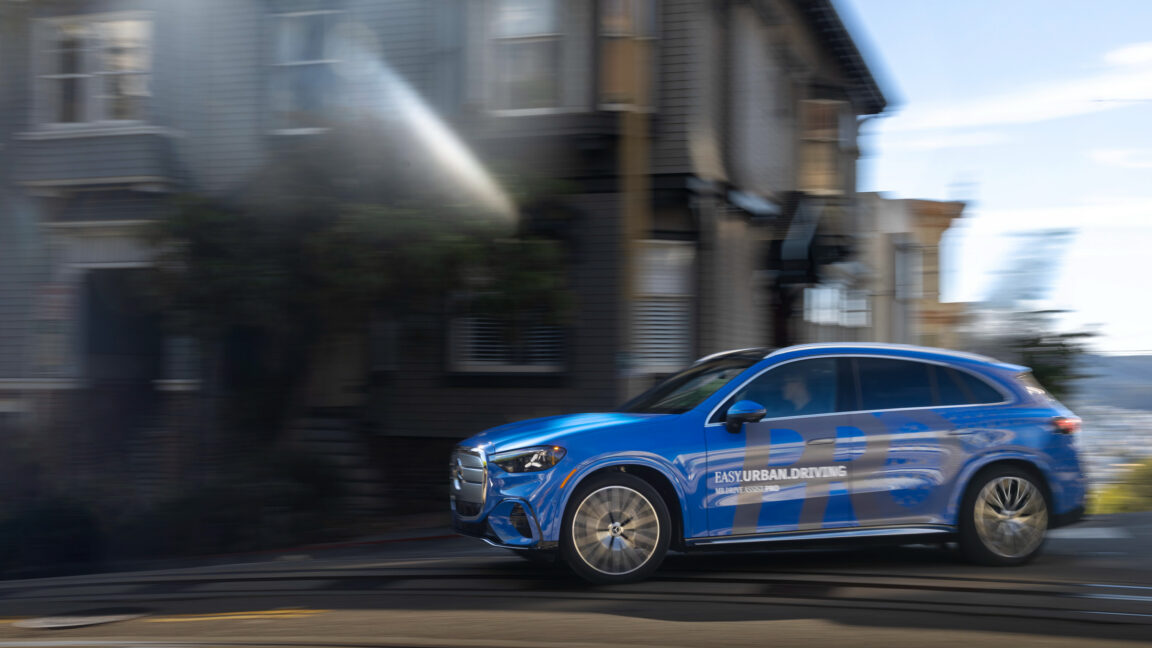
SAN FRANCISCO—When Ars first drove the new Mercedes-Benz CLA last year, the automaker also gave us a sneak preview of its next driver assist. Called Drive Assist Pro, it’s for collaborative partially assisted driving, and from the passenger seat at the time, the demo was impressive. Now the automaker is getting ready to start rolling out Drive Assist Pro to customers with cars running the new MB.OS operating system here in the US and in Germany, and it let us have some time behind the wheel.

While most automakers want a reputation associated with safety, Mercedes has long used passive and active technology to do so in its products. It was one of the first OEMs to introduce airbags, then a decade later started adding active safety systems like antilock brakes, electronic stability control, and adaptive cruise control. And so, by giving the car’s electronics the ability to control the brakes, and throttle, we arrive at the first level of assisted driving—called “level 1” in automotive engineerspeak.

“Level 2” assisted driving, where the car also controls the steering as well as the acceleration and braking, got famous with Tesla Autopilot. But the first lane-keeping assists predate it by almost a decade in passenger cars, when Toyota introduced a system in 2004.

In brief

SAN FRANCISCO—When Ars first drove the new Mercedes-Benz CLA last year, the automaker also gave us a sneak preview of its next driver assist. Called Drive Assist Pro, it’s for collaborative partially assisted driving, and from the passenger seat at the time, the demo was impressive. It was one of the first OEMs to introduce airbags, then a decade later started adding active safety systems like antilock brakes, electronic stability control, and adaptive cruise control.

This is the opening of the story, shared with credit to Ars Technica. The rest of the report — with every detail — continues on the publisher’s website.

Continue reading at Ars Technica ↗

Cookie settings

Choose which cookies we may use. You can change this at any time from Cookie settings in the footer. Details of each cookie are in the Cookie Policy.

Strictly necessary

Needed for sign-in, security, payments and remembering these choices. Always on.

Preferences

Remember settings such as dark mode.

Analytics & performance

Help us count visits, understand which pages, devices and countries our readers use, and measure how well the site performs – anonymous and aggregated.

Advertising & marketing

Lets advertising partners show and personalise adverts, measure impressions, clicks and visits, prevent ad fraud and pay us – this is how the free site is funded.

🔔 News notifications

Get headlines from NewsHub on this device — even when the site is closed.

You can switch this off at any time. Works on Android, Windows, Mac and Linux browsers; on iPhone/iPad add the site to your Home Screen first.