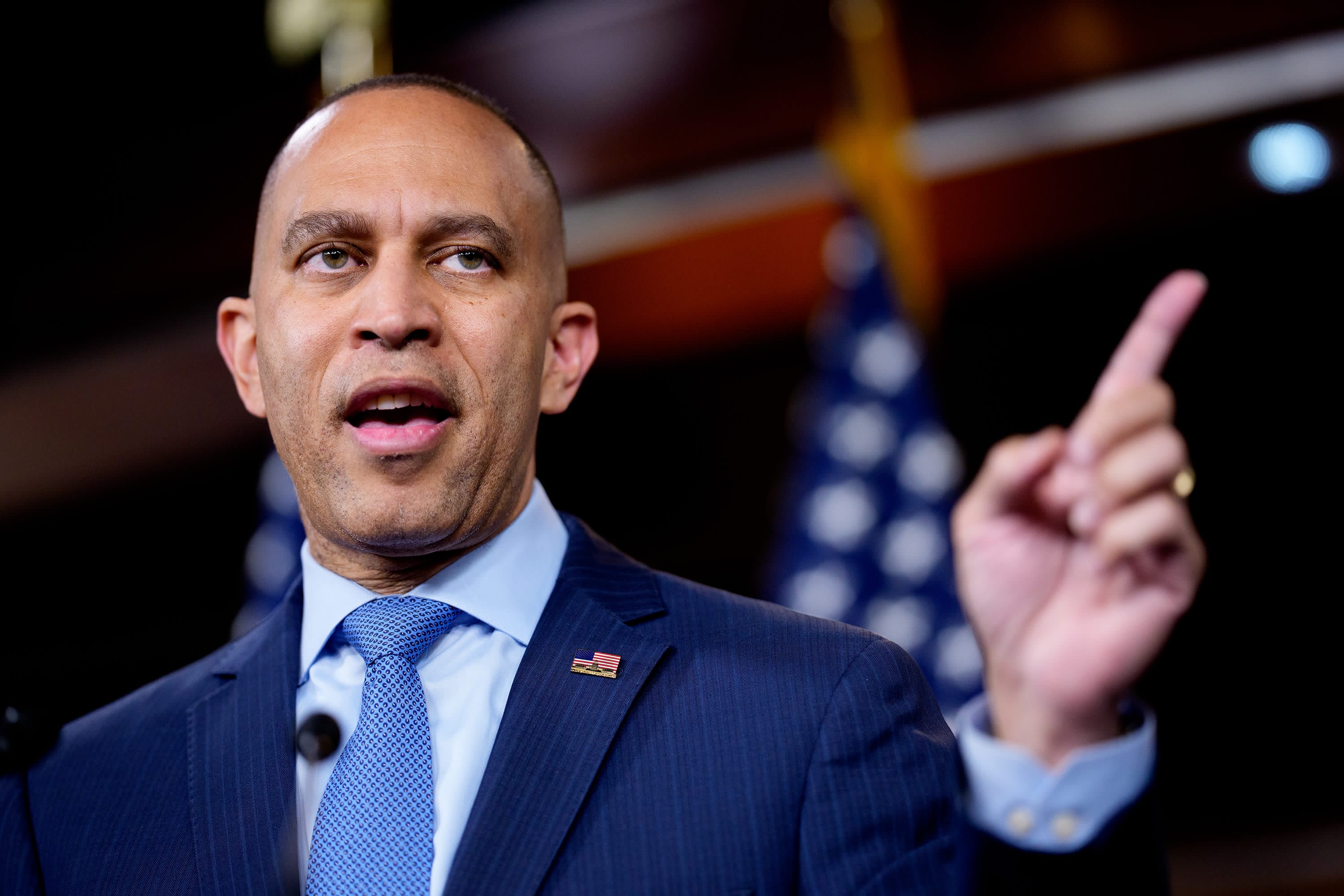
US Defense Secretary Pete Hegseth kept his job after the House last week voted 211-204 to send Republican Rep. Thomas Massie’s impeachment resolution to the Judiciary Committee. The referral stalled the impeachment effort.
When the new Congress takes office on Jan. 3, 2027, it should publicly debate and vote on whether to authorize continued US military action against Iran. For Gulf countries whose ships pass through the Strait of Hormuz, three questions matter. What does Washington hope to achieve? How long is it prepared to fight? What would bring the war to an end?
For the US, the immediate stakes are the safety of American troops and the cost of a prolonged military campaign. If fighting resumes, US troops and bases in the Middle East could come under attack. Congress should ask how the Pentagon plans to defend them, what resources it would need and what a sustained operation would mean for other US military commitments. Americans deserve to know what they are being asked to pay for and what risks their service members would face.
Tehran has used the Strait of Hormuz to pressure its neighbors and countries far beyond the Gulf. Washington’s stop-start approach has given Tehran time to repair damaged military sites.