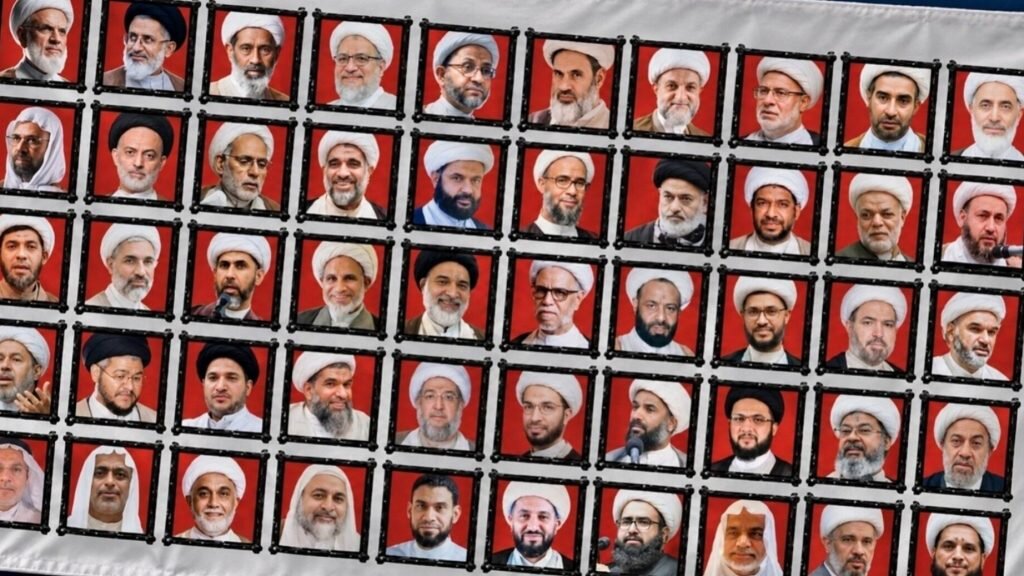
BEIRUT — Bahrain has witnessed a major escalation in its campaign against Shiite religious authorities, as the ruling Al Khalifa regime handed life imprisonment sentences to the majority of Shiite scholars prosecuted in a mass trial on November 16, including those tried in absentia and those who appeared before the court.
Some other defendants received 15-year prison sentences.
The verdicts against Ayatollah Sheikh Isa Qassim, Bahrain’s foremost Shiite religious authority, and dozens of prominent scholars and activists mark a grave escalation in a campaign that opposition groups describe as systematic sectarian persecution.
The proceedings were initially scheduled for November 22 but were abruptly brought forward to November 16, following US Secretary of State Marco Rubio’s inflammatory remarks claiming that Shiite clerics in Iran are the cause of problems in the region.
The timing has further raised serious concerns about Washington’s political influence and the implicit green light its hostile rhetoric may have provided to repressive Persian Gulf monarchies.
Undoubtedly, the escalation cannot be separated from the wider US-Israeli confrontation with Iran and the resistance bloc.
Washington’s repeated hostility toward independent Shiite religious authority has helped create a political climate in which they increasingly portrayed as security threats.
The targeting of Bahrain’s Shiite scholars is not an isolated judicial development; it follows years of arrests, arbitrary detention, citizenship revocations, restrictions on…