

TEHRAN – Contemporary Palestinian history should be read in two chapters: before October 7, 2023, and after it.
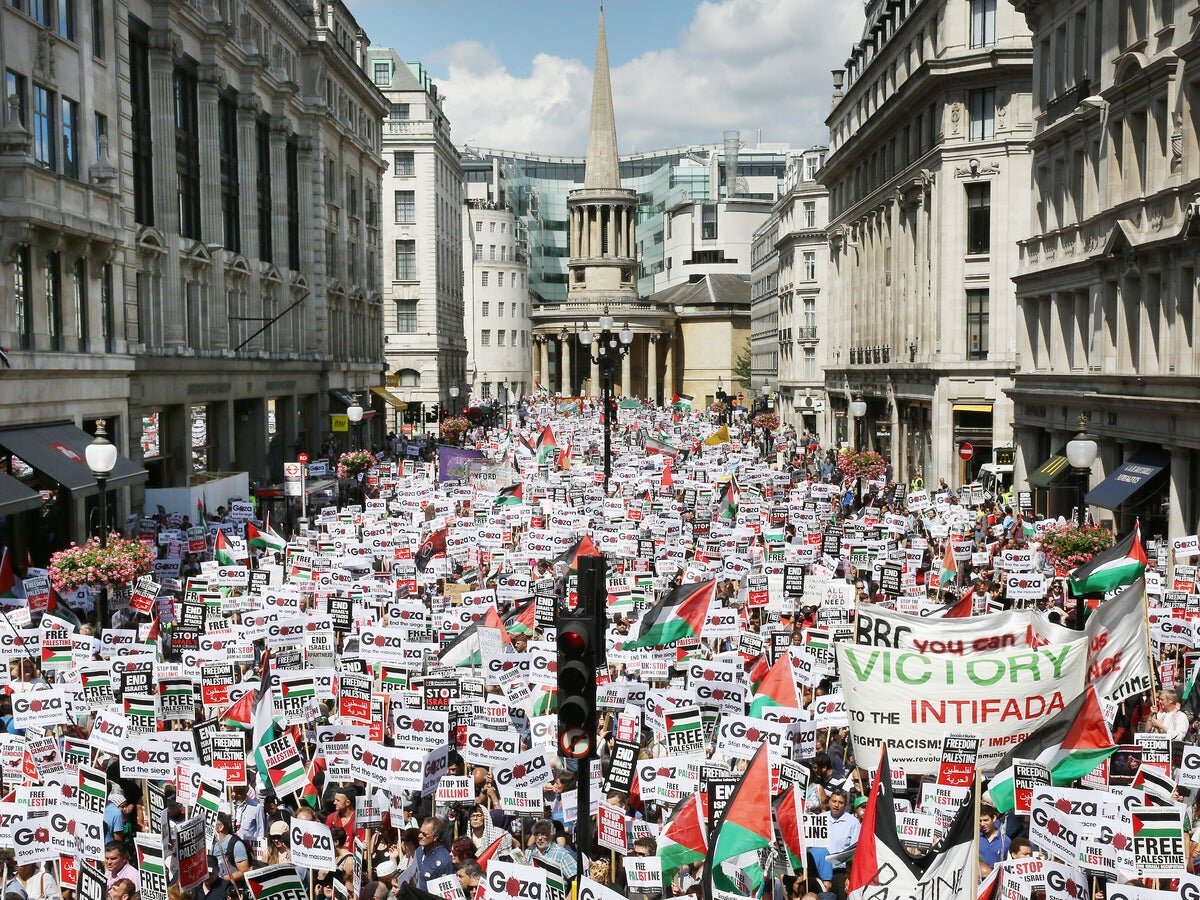
That date not only shook the geography of the conflict; it upended the balance of power, the media landscape, and global public opinion, transforming Palestine into an unmistakably humanitarian cause that transcends borders, identities, and affiliations.
The international community has not forgotten the days when the Israeli regime’s narrative dominated Western media, while other accounts were sidelined and pushed to the margins.
Close ties with to Tel Aviv was considered a valuable political asset for many candidates in Western elections.
In fact, some Western public figures faced censorship or other punitive measures for their anti-Zionist stance, usually under the guise of combating antisemitism. Despite having no antisemitic intent, they ultimately suffered painful personal consequences, raising profound questions about freedom of expression.
But following Operation Al-Aqsa Flood and the devastating genocidal war on Gaza, a political earthquake shook the global conscience. This time, cracks appeared in the dominant Western narrative.
Today, unconditional solidarity with the Zionist regime no longer guarantees political popularity or electoral success.
On the contrary, it has sometimes become a heavy electoral liability. Trump, seeking to win American voters, has spoken of ending Washington’s annual aid to the regime.