

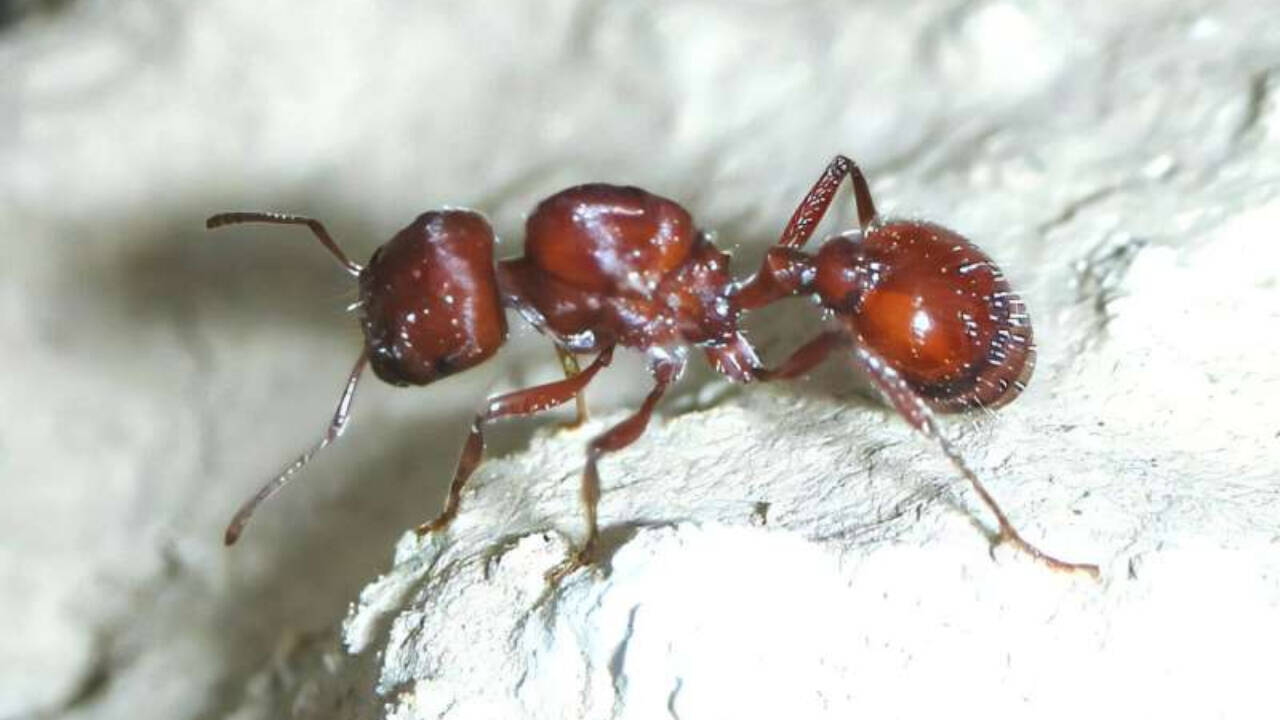
Aging is usually defined by a loss of strength, a loss of fertility and an increase in the probability of death. But for western harvester ants, growing older offers a surprising benefit. Their colonies do not grow weaker with time, but stronger and better at reproducing. These insect communities defy conventional thinking about aging, and some colonies have lived for more than 40 years, a remarkable scientific investigation spanning 34 years shows.Three decades of research show strange patternThe UH said the research was done by University of Houston biologists Blaine Cole and Diane Wiernasz, Department of Biology and Biochemistry, who studied thousands of western harvester ant colonies in Mesa County, Colo. The scientists started monitoring the colonies in 1992 and analyzed 34 years of observations of 3,285 colonies of known age. The research published in the journal Proceedings of the National Academy of Sciences found a phenomenon they called negative senescence.Phys Org explains that this biological pattern occurs when survival rates and reproductive success increase, not decrease, with age. Older colonies reproduction and survival were higher than younger colonies. In 2024, researchers found 51 colonies between 40 and 42 years old that were established before monitoring began.How ant colonies avoid the effects of agingAs per the report, this is due to the very organized structure of an ant colony, which…
Ant colonies defy aging, with older groups more likely to survive and reproduce
In brief
Aging is usually defined by a loss of strength, a loss of fertility and an increase in the probability of death. Their colonies do not grow weaker with time, but stronger and better at reproducing. The scientists started monitoring the colonies in 1992 and analyzed 34 years of observations of 3,285 colonies of known age. Older colonies reproduction and survival were higher than younger colonies.
This is the opening of the story, shared with credit to The Times of India — World. The rest of the report — with every detail — continues on the publisher’s website.
Continue reading at The Times of India — World ↗