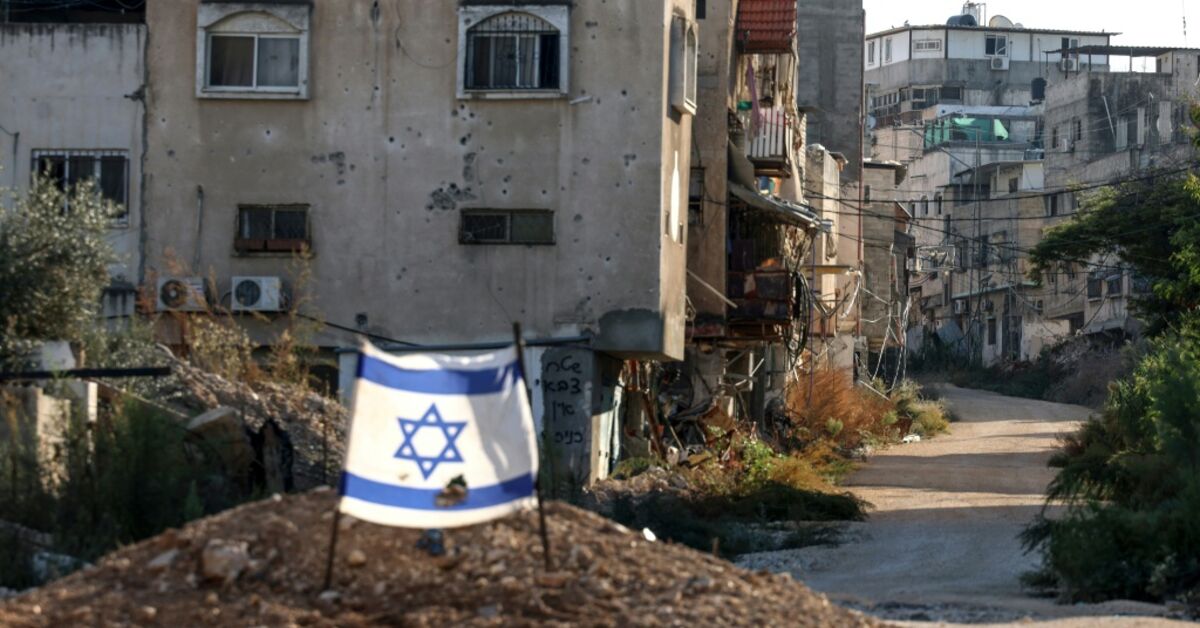
After Israeli forces pushed him and thousands of others out of the West Bank refugee camp of Tulkarem last year, Adel Darsieh held onto his hope of returning home, but it is fading fast.
Prime Minister Benjamin Netanyahu has vowed no return for the displaced people from the camp near the northern city of Jenin, known as a hub for militants.
He is now fighting for his political life after his party lost seats in Israel's general election last month and former general Gadi Eisenkot was tasked with trying to form a new government.
But even the prospect of an end to Netanyahu's rule is not enough to lift Darsieh's hopes.
"Whether it's this government or a new one, what does it change?" said the 64-year-old. "They're two sides of the same coin."
The Israeli military carried out a major operation in the north of the occupied Palestinian territory in early 2025, during a temporary ceasefire in Hamas-ruled Gaza, having vowed to root out extremists.
Shortly before the election, Netanyahu announced that no one removed from Tulkarem would be allowed back.
For Palestinian families, it is a second form of displacement. The Tulkarem camp was set up in 1950 for refugees who fled or were forced out during the creation of the state of Israel two years earlier.