📰 Newspapers

PNG to propose three-child limit to slow surging population

PNG to propose three-child limit to slow surging population

The policy aims to prevent unplanned pregnancies, ease pressure on government services and household budgets, and slow the country's population growth.

As a mother of five, she got her wish, but she wouldn't necessarily encourage others to do the same.

"I've now realised having a big family isn't cheap," she said.

"I'd encourage couples to have at least two or three children. For me, five is quite stressful."

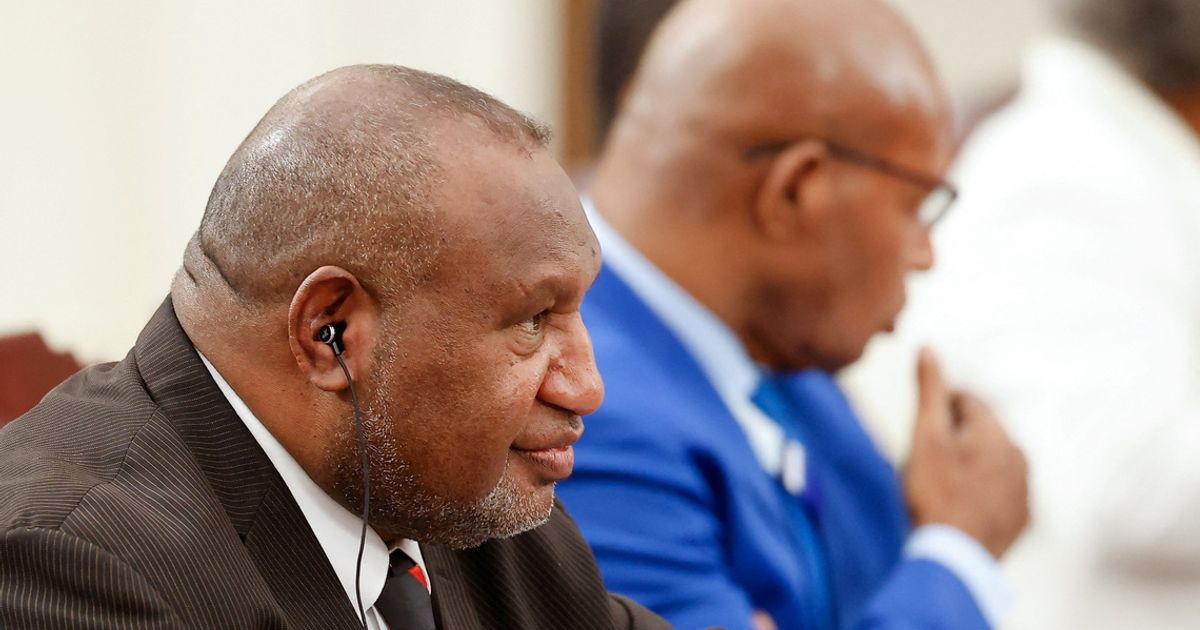
Papua New Guinea's prime minister, James Marape, may well agree.

His government has announced plans to introduce a new national family planning policy to curb the country's high birth rate.

Under the proposed policy outlined in a press release, families would be encouraged to have no more than three children, in a move that draws comparisons with China's now-abandoned one-child policy, which remained in place until 2015.

While still at the proposal stage, PNG's policy aims to prevent unplanned pregnancies, ease pressure on government services and household budgets, and slow the country's population growth.

Official statistics put PNG's population at about 10.18 million, and it's growing by more than 180,000 people annually.

But economists question the reliability of the country's census data, suggesting the actual population could be closer to 12 million.

Teenage pregnancies and high rural birthrates are among the factors believed to be contributing to the country's population surge.

Health experts also say limited access to health care and contraception is forcing many women to have more children than they would…

In brief

As a mother of five, she got her wish, but she wouldn't necessarily encourage others to do the same. While still at the proposal stage, PNG's policy aims to prevent unplanned pregnancies, ease pressure on government services and household budgets, and slow the country's population growth. Teenage pregnancies and high rural birthrates are among the factors believed to be contributing to the country's population surge.

This is the opening of the story, shared with credit to ABC News Australia. The rest of the report — with every detail — continues on the publisher’s website.

Continue reading at ABC News Australia ↗

Cookie settings

Choose which cookies we may use. You can change this at any time from Cookie settings in the footer. Details of each cookie are in the Cookie Policy.

Strictly necessary

Needed for sign-in, security, payments and remembering these choices. Always on.

Preferences

Remember settings such as dark mode.

Analytics & performance

Help us count visits, understand which pages, devices and countries our readers use, and measure how well the site performs – anonymous and aggregated.

Advertising & marketing

Lets advertising partners show and personalise adverts, measure impressions, clicks and visits, prevent ad fraud and pay us – this is how the free site is funded.

🔔 News notifications

Get headlines from NewsHub on this device — even when the site is closed.

You can switch this off at any time. Works on Android, Windows, Mac and Linux browsers; on iPhone/iPad add the site to your Home Screen first.