Could a medicine one day be designed on the basis of the genetic characteristics of the person who is going to take it?Could doctors know in advance which patients are more likely to respond to a treatment or to develop side effects?And could the genetic causes of diseases that are currently hard to diagnose be identified more easily?Personalised medicine is no longer just a distant scientific vision. Some of its applications are already used in clinical practice, while wider deployment requires much more knowledge of the human genome.The Genome of Europe programme is one of the largest European population genomics projects. In total, 49 partners from 27 European countries are working together to create a shared reference base of at least 100,000 human genomes, which will reflect the genetic diversity of European populations.The programme has a budget of €45 million, of which €20 million come from the European Commission through the Digital Europe programme. The project officially started in the autumn of 2024 and is scheduled to run for 3.5 years.Cyprus is taking part in this effort through the Centre of Excellence for Biobanking and Biomedical Research biobank.cy at the University of Cyprus. Its contribution includes sequencing the whole genome of at least 310 Cypriot volunteers, feeding into the European reference base.Why Europe needs a genetic mapHuman DNA is, to…
Is personalised medicine the future? EU-backed project to map 100,000 genomes
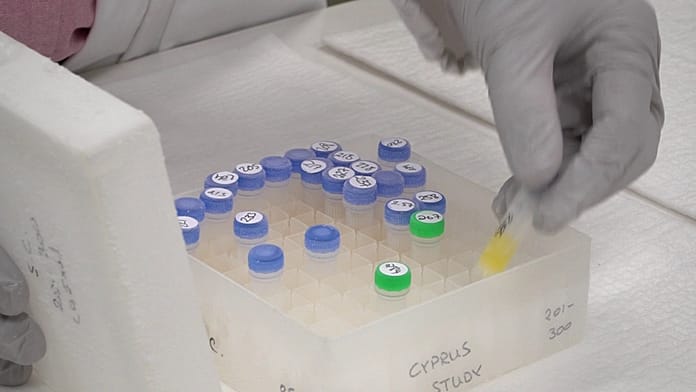
A massive European genome bank could pave the way for medicines tailored to each patient's DNA, faster diagnosis of rare diseases and new ways of prevention. Here's how it works.
In brief
Could a medicine one day be designed on the basis of the genetic characteristics of the person who is going to take it?Could doctors know in advance which patients are more likely to respond to a treatment or to develop side effects?And could the genetic causes of diseases that are currently hard to diagnose be identified more easily?Personalised medicine is no longer just a distant scientific vision.
This is the opening of the story, shared with credit to Euronews. The rest of the report — with every detail — continues on the publisher’s website.
Continue reading at Euronews ↗