As world leaders debate what to do about climate change at COP31 in Türkiye, they may want to take onboard new research into the economic and human costs of extreme weather. There was one climate disaster a day on average in 2025 – and both rich and poor countries were badly affected. The report, which does not account for the current ‘godzilla’ El Niño, shows how fossil fuel-driven warming is making extreme weather more deadly and more economically damaging.Spain, France, Italy and Romania were in the top 20 most affected countries worldwide in 2025, with further extreme weather this year showing it was not a one-off event.Almost a million lives lost to extreme weather in the last 30 yearsIn 2025, 367 extreme weather events were recorded worldwide, according to the Climate Risk Index (CRI) 2027. They caused nearly 35,000 deaths (it’s very likely the actual number is much higher than this as heat-related deaths are severelyunderreported in poorer countries), affected more than 100 million people, and caused direct economic losses of more than US$158 billion (€143 billion). Looking back over the last 30 years, 900,000 people lost their lives to extreme weather events and they resulted in direct economic losses totaling more than US$4.7 trillion (€4.2 trillion) – almost equivalent to Germany’s current GDP.
Heatwaves are the worst weather for our health and the economy: Spain pays the highest price in Europe
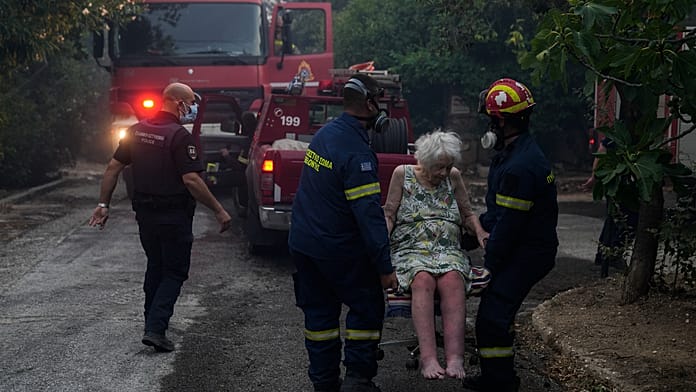
A new study ranks different types of extreme weather by how many lives they claimed in 2025.
In brief
As world leaders debate what to do about climate change at COP31 in Türkiye, they may want to take onboard new research into the economic and human costs of extreme weather. Looking back over the last 30 years, 900,000 people lost their lives to extreme weather events and they resulted in direct economic losses totaling more than US$4.7 trillion (€4.2 trillion) – almost equivalent to Germany’s current GDP.
This is the opening of the story, shared with credit to Euronews. The rest of the report — with every detail — continues on the publisher’s website.
Continue reading at Euronews ↗