

Hass, Bacon and Fuerte: in Salento the new stars of the countryside have exotic names. Between Calimera and Vernole, in the province of Lecce, these avocado varieties are now an increasingly tangible presence, to the point that in mid November the harvest swung into full gear. They are no longer just an agricultural curiosity but a conversion gamble for Apulian farms seeking an alternative after the mass destruction of olive trees caused by Xylella fastidiosa.That gamble, however, also has a downside. Avocado needs a lot of water precisely during the hottest summers, in a region already grappling with drought and aquifers under pressure.The transformation is visible at the Tommasi farm, where the first plants were put in the ground in 2017. Almost ten years on, each tree produces between 70 and 100 fruits, for an estimated yield of around 10 quintals per hectare. Last April another 700 trees were planted.And while Salento changes its crops, Xylella continues to pose a threat to European agriculture, turning a crisis that began in Apulia into a problem for the entire Mediterranean.Xylella, a threat that no longer concerns only ApuliaThe story of Salento’s avocado in fact starts with that of the lost olive trees. In October 2013 Xylella fastidiosa was detected for the first time in the European Union, in Apulia.
Salento turns from olives to avocados as Xylella threat spreads in Europe
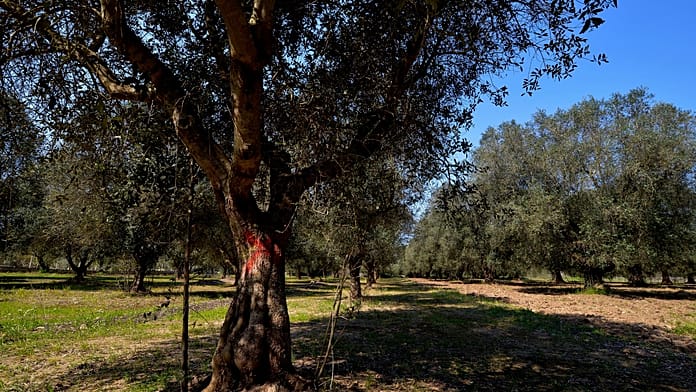
From Xylella to avocados, Salento is experimenting with a new kind of agriculture. But the spread of the bacterium worries Europe and the tropical turn raises a challenge: water availability
In brief
Hass, Bacon and Fuerte: in Salento the new stars of the countryside have exotic names. Last April another 700 trees were planted.And while Salento changes its crops, Xylella continues to pose a threat to European agriculture, turning a crisis that began in Apulia into a problem for the entire Mediterranean.Xylella, a threat that no longer concerns only ApuliaThe story of Salento’s avocado in fact starts with that of the lost olive trees.
This is the opening of the story, shared with credit to Euronews. The rest of the report — with every detail — continues on the publisher’s website.
Continue reading at Euronews ↗