EU Commissioner for Preparedness, Crisis Management and Equality Hadja Lahbib presented the EU's new emergency preparedness guidelines on November 3. The guidelines aim to make crisis preparedness part of everyday life, ensuring households can meet their basic needs for at least the first 72 hours when emergency services are stretched. They cover everything from keeping emergency supplies and cooperating to making decisions under stress, teaching preparedness in early school education, and communicating risks. "These guidelines have been developed with EU Member States and Union Civil Protection Mechanism (UCPM) Participating States. This has been a collaborative process, including workshops and consultations", Lahbib explained.The move comes after a wave of cyberattacks, drone attacks, sabotage of critical infrastructure, and natural disasters, which can cause disruptions to communications, transport, and energy networks, leaving entire communities paralysed. Why now? Threats take many forms, and some are close to home. Though the European Commission considers full-scale war unlikely, the EU's proximity to Ukraine poses a vulnerability. The bloc faces Russia's ongoing aggression in Ukraine, instability in the Middle East, and climate-driven floods and wildfires, alongside a surge in sabotage, drone incursions and cyberattacks. The Commission adopted its Preparedness Union Strategy in March 2025 to shift Europe from reactive crisis management to proactive defence.
72 hours without help: How the EU wants Europeans to prepare for a crisis
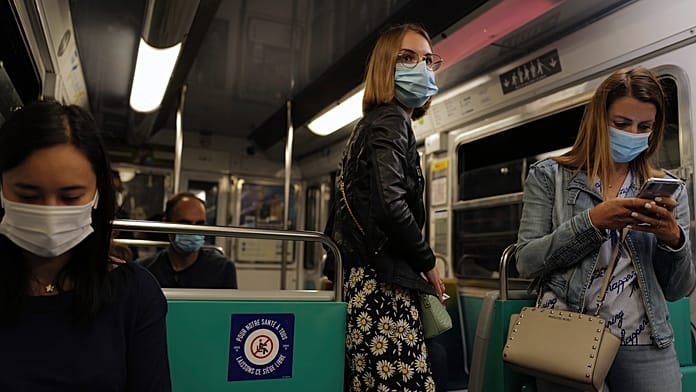
Europe urges households to be self-sufficient for at least the first three days of a crisis. Citizens should have enough food, water, and medicine, keep evacuation bags ready, and have emergency plans to face natural and human-induced disasters.
In brief
EU Commissioner for Preparedness, Crisis Management and Equality Hadja Lahbib presented the EU's new emergency preparedness guidelines on November 3. The guidelines aim to make crisis preparedness part of everyday life, ensuring households can meet their basic needs for at least the first 72 hours when emergency services are stretched. The Commission adopted its Preparedness Union Strategy in March 2025 to shift Europe from reactive crisis management to proactive defence.
This is the opening of the story, shared with credit to Euronews. The rest of the report — with every detail — continues on the publisher’s website.
Continue reading at Euronews ↗