Islamophobia and anti-Arab racism have increased significantly during US election campaigns in the past decade, despite the successes Arab and Muslim Americans have seen at the local, state and national levels.
It is not enough to criticize an Arab or Muslim American candidate on the basis of their positions on politics, policies and government agendas. Critics have found it more effective to raise questions about their religion or ethnicity, including stereotyping Arab Christians as being Muslim.
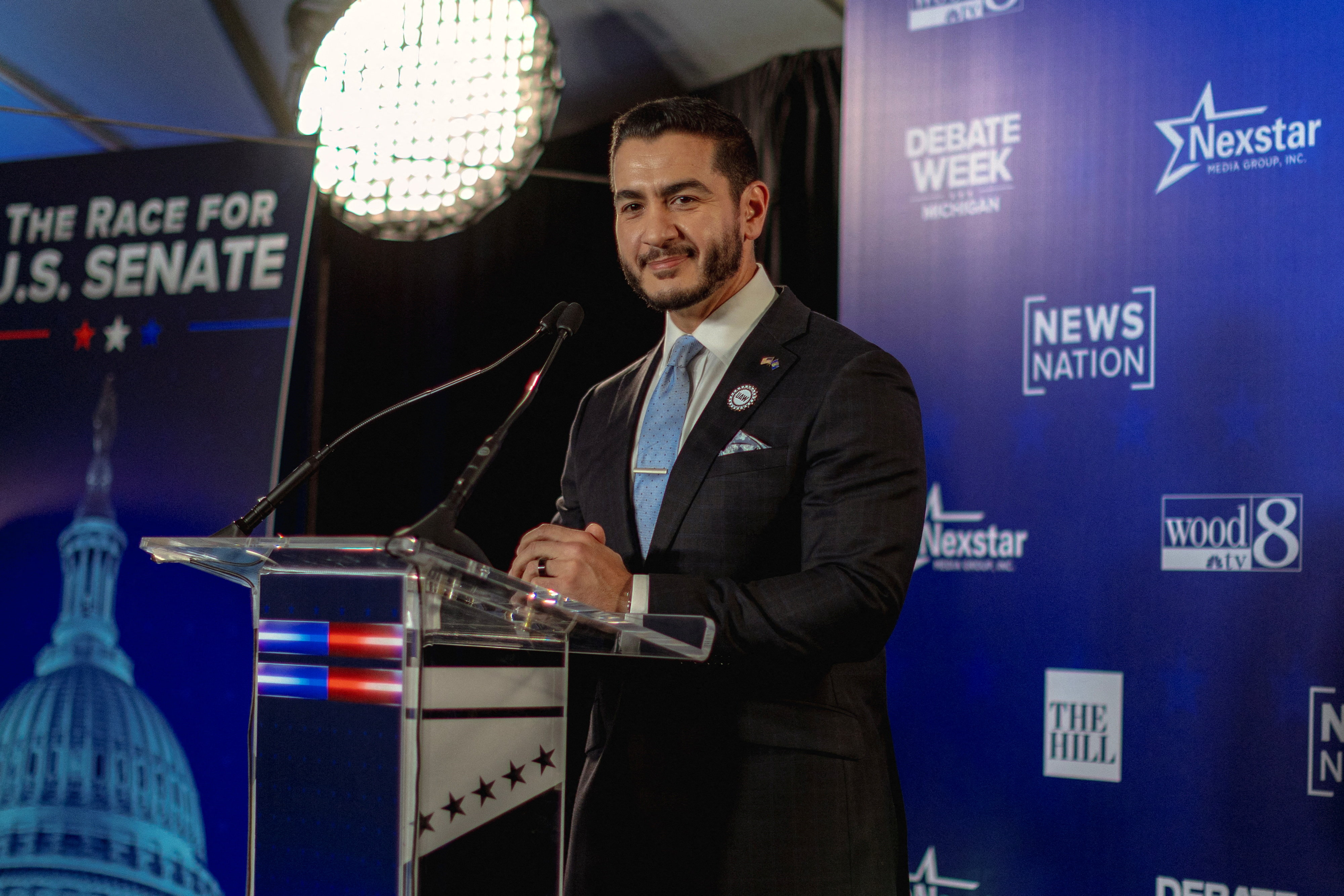
The most recent wave of Islamophobia focused on Michigan senator-elect Abdul El-Sayed, an epidemiologist, public health administrator, university professor, author and politician. His professional career has focused primarily on public health policy and administration, rather than treating patients.
But the prejudice has also touched others, including New York City Mayor Zohran Mamdani and 2018 Michigan congressional candidate Fayrouz Saad, who came fourth in a Democratic primary won by Rep. Haley Stevens.
El-Sayed in August defeated Stevens to win the Democratic nomination for this month’s Senate election. He ran against Republican Mike Rogers on Nov. 3 and won decisively.
As hateful as the campaign against El-Sayed has been, it is not unusual in US politics for religion to become an issue
Stevens went on to join the many Republicans who fanned the flames of Islamophobia through their criticism of El-Sayed.