Chemicals in many everyday items that interfere with the body's hormones are a growing threat to human health and the environment, and scientists now have a better understanding of the harm they can cause, the United Nations said on Tuesday. These substances, which can interfere with the body's hormonal systems, have been detected in breast milk and umbilical cord blood. Early exposure, sometimes before babies are born, can disrupt hormone activity and have lasting effects on brain development, growth and reproductive health, the UN warned.In a new report, two UN bodies called for urgent, coordinated international action to protect human health and the environment, warning that policies and regulations aimed at transforming the products and sectors responsible for widespread exposure remain “fragmented and insufficient”.“What makes [endocrine-disrupting chemicals] particularly concerning is that they can disrupt hormones that regulate many essential functions in both humans and wildlife, from development and reproduction to metabolism and behaviour. These effects can be long-lasting, and in some cases, irreversible,” said Sheila Aggarwal-Khan, director of the United Nations Environment Programme (UNEP) Industry and Economy Division. Endocrine-disrupting chemicals (EDCs) are found in many plastic items, personal care products, pharmaceuticals, toys, household goods, electronics and pesticides.
Hormone-disrupting chemicals pose growing health threat, UN warns
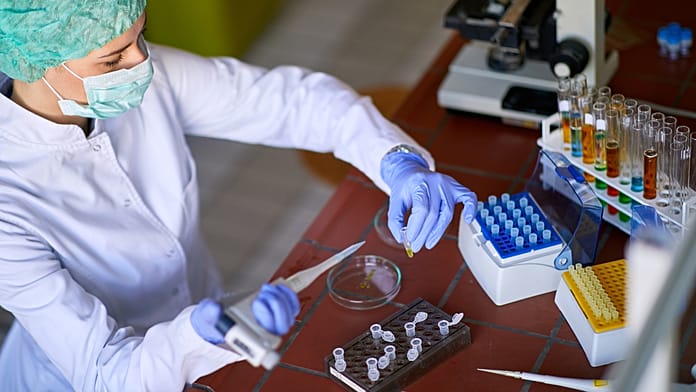
Hormone-disrupting chemicals found in everyday products pose growing risks to human health and the environment, while regulations remain insufficient to tackle them, warns the UN.
In brief
Chemicals in many everyday items that interfere with the body's hormones are a growing threat to human health and the environment, and scientists now have a better understanding of the harm they can cause, the United Nations said on Tuesday. Endocrine-disrupting chemicals (EDCs) are found in many plastic items, personal care products, pharmaceuticals, toys, household goods, electronics and pesticides.
This is the opening of the story, shared with credit to Euronews. The rest of the report — with every detail — continues on the publisher’s website.
Continue reading at Euronews ↗