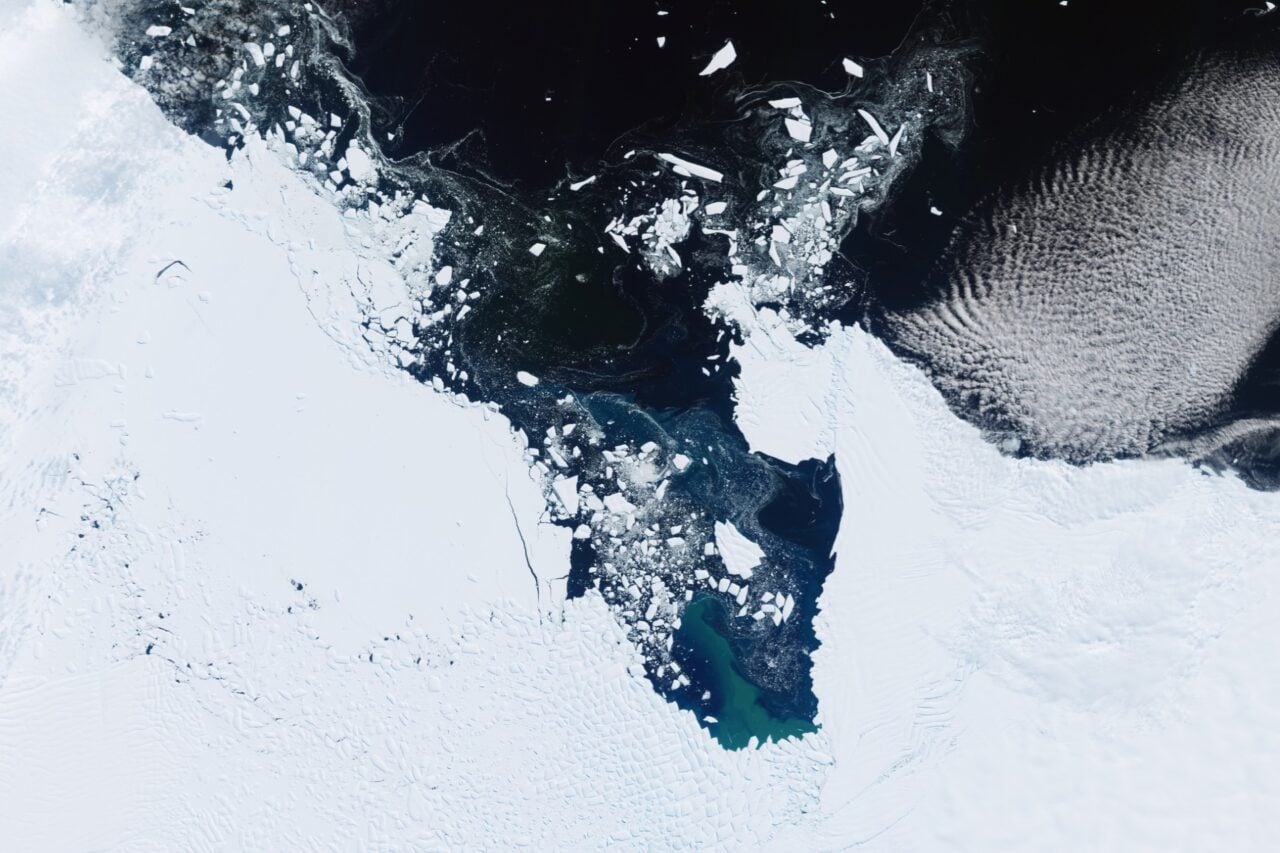
Antarctica’s ice sheets hold enough frozen water to dramatically reshape coastlines around the world if they were to melt completely. But as glaciers in West Antarctica shed ice into the ocean, another transformation is unfolding beneath the continent.
Relieved of the enormous weight pressing down on it, the underlying bedrock is rising at an unusually fast pace. Now, a team of researchers has developed a detailed model of the planet’s interior beneath Antarctica to better understand what happens to the Earth when you remove the enormous weight of an ice sheet.
Using this three-dimensional picture of Earth’s interior, they investigated the hidden forces behind the rapidly rising bedrock and what they could mean for the future of Antarctica’s ice. The findings, published in Science, suggest that bedrock rebound could slow glacier retreat and potentially delay some ice loss by decades under certain climate scenarios.
West Antarctica is losing ice at a rapid rate. Glaciers such as Thwaites and Pine Island are thinning, meaning enormous amounts of ice that once weighed down Earth’s crust are disappearing.
When ice sheets lose mass, the crust begins to rebound. This process normally takes thousands of years.