📰 Newspapers

How Shibuya Scramble Crossing went from safety fix to global icon

How Shibuya Scramble Crossing went from safety fix to global icon

As Singapore trials a Shibuya-style crossing, Tokyo’s famed intersection endures amid a sweeping district overhaul

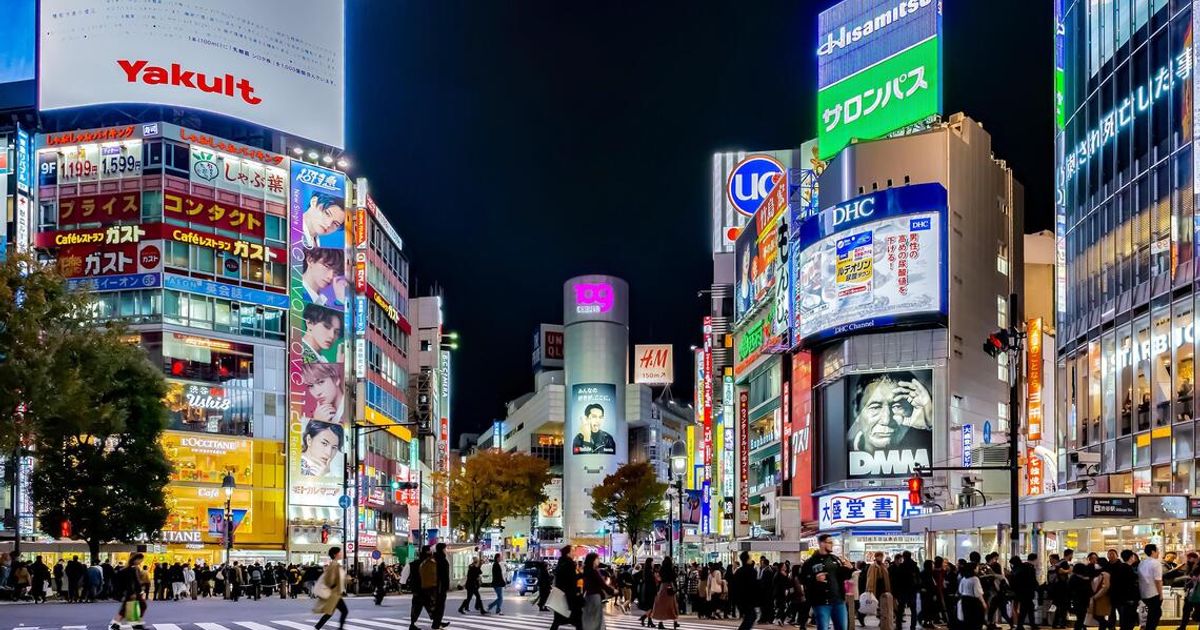
TOKYO – The spectacle at the world’s busiest scramble crossing never gets old: traffic halts in all directions, then a synchronised tide of hundreds stepping off the kerbs from different directions at once.

This picture of coordinated chaos at the bustling Shibuya Scramble Crossing, where pedestrians have only roughly 50 seconds to cross on each green light, has made the intersection a top attraction.

Now, Singapore is taking a leaf from Shibuya’s book. On Nov 16, the Land Transport Authority began a three-month trial scramble crossing at the junction of Joo Chiat Road and East Coast Road, turning all traffic lights red simultaneously so pedestrians can cross from all directions, including diagonally.

Over in Tokyo, the Shibuya Scramble Crossing is said to be used by up to 500,000 people on weekends. The nearby Shibuya Station, serviced by nine rail and subway lines run by four train companies, feeds throngs of commuters who cross the junction.

It has also become an unofficial civic square where crowds gather to cheer World Cup victories in Samurai Blue jerseys, as well as to celebrate Halloween and ring in the New Year.

Shibuya’s global celebrity, however, belies the fact that it is not Japan’s first scramble crossing.

In brief

As Singapore trials a Shibuya-style crossing, Tokyo’s famed intersection endures amid a sweeping district overhaul TOKYO – The spectacle at the world’s busiest scramble crossing never gets old: traffic halts in all directions, then a synchronised tide of hundreds stepping off the kerbs from different directions at once. Shibuya’s global celebrity, however, belies the fact that it is not Japan’s first scramble crossing.

This is the opening of the story, shared with credit to The Straits Times — Asia. The rest of the report — with every detail — continues on the publisher’s website.

Continue reading at The Straits Times — Asia ↗

Cookie settings

Choose which cookies we may use. You can change this at any time from Cookie settings in the footer. Details of each cookie are in the Cookie Policy.

Strictly necessary

Needed for sign-in, security, payments and remembering these choices. Always on.

Preferences

Remember settings such as dark mode.

Analytics & performance

Help us count visits, understand which pages, devices and countries our readers use, and measure how well the site performs – anonymous and aggregated.

Advertising & marketing

Lets advertising partners show and personalise adverts, measure impressions, clicks and visits, prevent ad fraud and pay us – this is how the free site is funded.

🔔 News notifications

Get headlines from NewsHub on this device — even when the site is closed.

You can switch this off at any time. Works on Android, Windows, Mac and Linux browsers; on iPhone/iPad add the site to your Home Screen first.