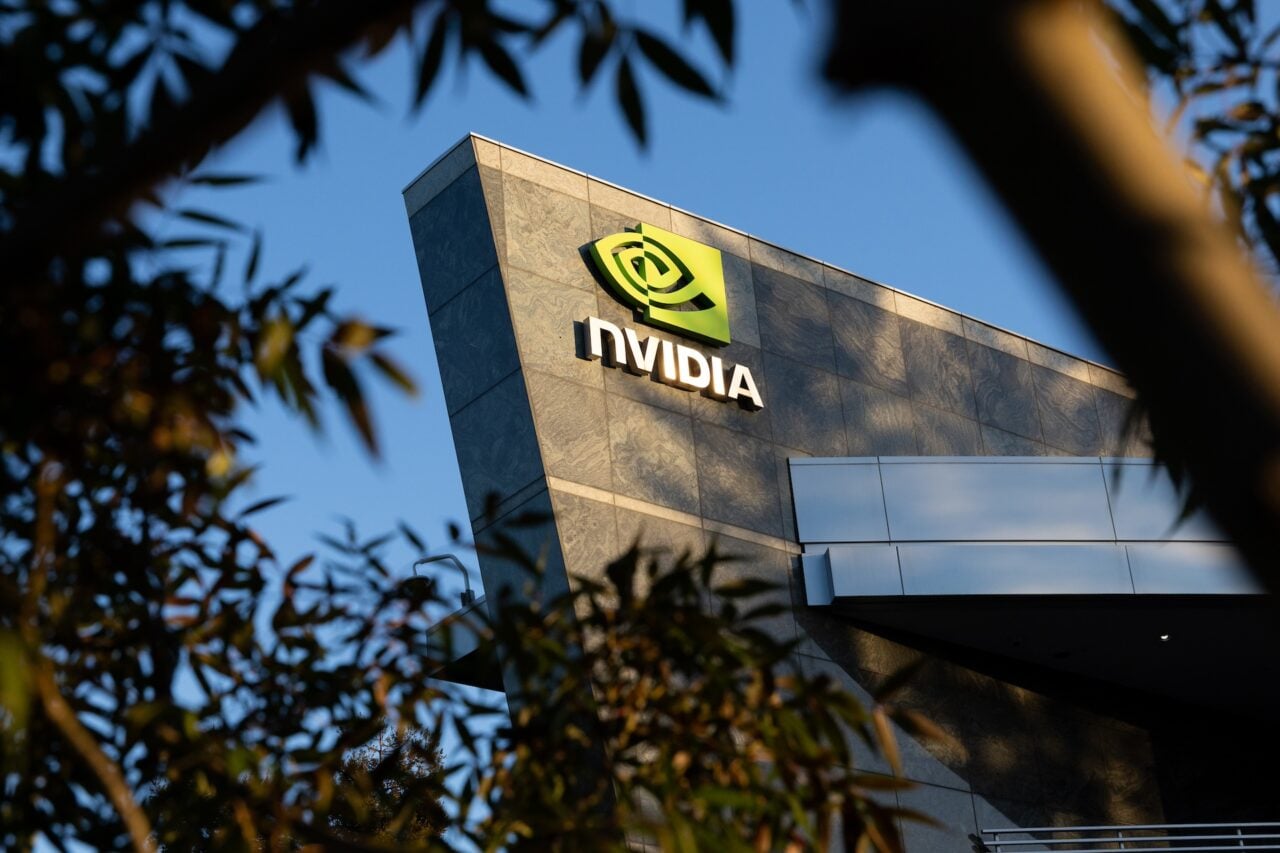
Jensen Huang is out but his shadow looms over the upcoming meeting between US President Donald Trump and his Chinese counterpart Xi Jinping this week.
For Beijing, the former Nvidia CEO's dramatic fall is a major challenge - and not just because of claims that a Chinese spy may have honey-trapped Huang, one of the artificial intelligence industry's most influential figures.
Rather, the allegations surrounding Huang and his affair with Chinese businesswoman Alice Huang are turning into a new flashpoint in an already fragile US-China relationship.
US intelligence reports claim she had ties to Beijing's intelligence apparatus - in particular the Ministry of State Security, China's main civilian spy agency.
The claim remains unproven, but it has already reignited debate in Washington over exports of advanced chips to China and whether the Trump administration has been too willing to ease restrictions.
For years now, advanced computer chips have been a key battleground in the US-China rivalry because they are essential for AI, supercomputing and military technology.
Chinese officials are worried this scandal could strengthen voices in Washington who argue in favour of further limiting Chinese access to cutting-edge American tech.
Just this week, the Trump administration introduced new export restrictions on Chinese firms that access advanced US chips in third countries such as Malaysia, Thailand or Brazil.