📰 Newspapers

Malaysian public will get mobile alerts to natural disasters by end 2026

Malaysian public will get mobile alerts to natural disasters by end 2026

A test of the system, using cell broadcast technology, will be conducted on Nov 19.

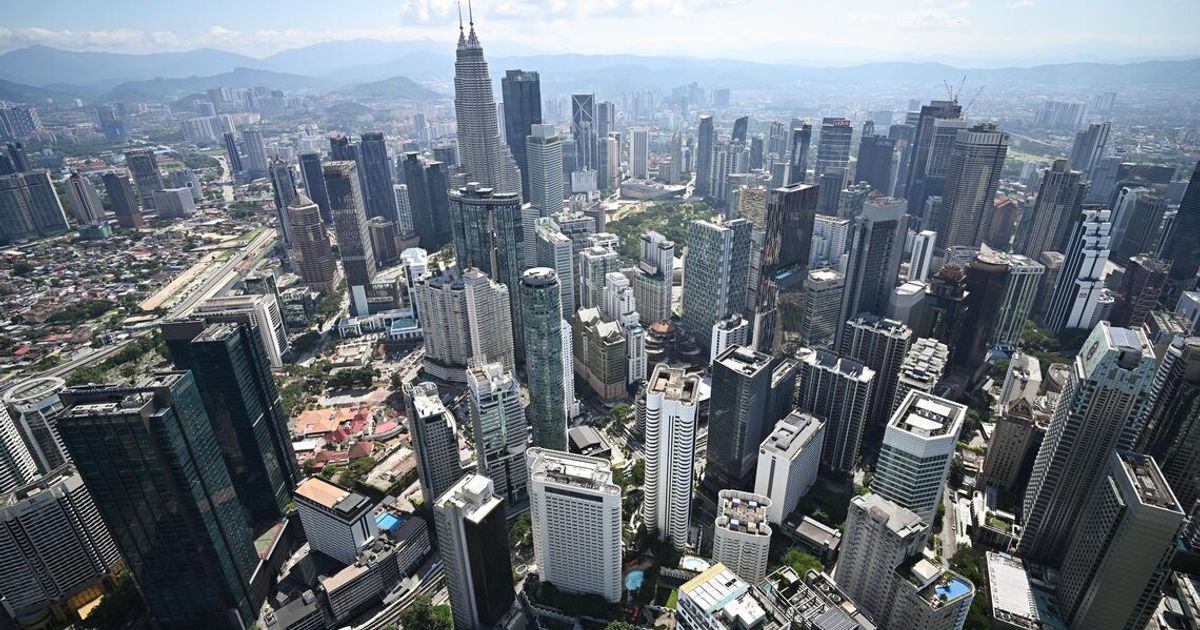
PETALING JAYA – An early warning system to alert the public of natural disasters is expected to go live nationwide by the end of 2026, said the Malaysian Communications and Multimedia Commission (MCMC).

Before it is implemented nationwide, a test of the system, using cell broadcast technology, will be conducted on Nov 19.

“The public is encouraged to ensure that their mobile devices are updated with the latest operating software.

“This is to support the receipt of emergency alerts when the system becomes operational,” said the MCMC when contacted.

It said the Nov 19 exercise will be part of the technical readiness testing of the system – from the start of an alert to its delivery to mobile devices.

“This is ahead of the system’s planned nationwide implementation by the end of 2026,” said the MCMC.

It was reported that the pilot exercise was expected to focus on high-risk flood areas, including in Selangor, Kuala Lumpur, Kelantan, and Pahang.

The MCMC and National Disaster Management Agency (Nadma) are developing an early flood warning system using Cell Broadcast System (CBS) technology.

The system will be able to send disaster alerts directly to mobile phones in affected areas without needing Internet, SMS and reci­pients’ phone numbers.

Deputy Prime Minister Ahmad Zahid Hamidi had said the new system is aimed at eventually replacing…

In brief

PETALING JAYA – An early warning system to alert the public of natural disasters is expected to go live nationwide by the end of 2026, said the Malaysian Communications and Multimedia Commission (MCMC). “This is to support the receipt of emergency alerts when the system becomes operational,” said the MCMC when contacted. The MCMC and National Disaster Management Agency (Nadma) are developing an early flood warning system using Cell Broadcast System (CBS) technology.

This is the opening of the story, shared with credit to The Straits Times — Asia. The rest of the report — with every detail — continues on the publisher’s website.

Continue reading at The Straits Times — Asia ↗

Cookie settings

Choose which cookies we may use. You can change this at any time from Cookie settings in the footer. Details of each cookie are in the Cookie Policy.

Strictly necessary

Needed for sign-in, security, payments and remembering these choices. Always on.

Preferences

Remember settings such as dark mode.

Analytics & performance

Help us count visits, understand which pages, devices and countries our readers use, and measure how well the site performs – anonymous and aggregated.

Advertising & marketing

Lets advertising partners show and personalise adverts, measure impressions, clicks and visits, prevent ad fraud and pay us – this is how the free site is funded.

🔔 News notifications

Get headlines from NewsHub on this device — even when the site is closed.

You can switch this off at any time. Works on Android, Windows, Mac and Linux browsers; on iPhone/iPad add the site to your Home Screen first.