📰 Newspapers

China warns US of retaliation over new AI chip restrictions

China warns US of retaliation over new AI chip restrictions

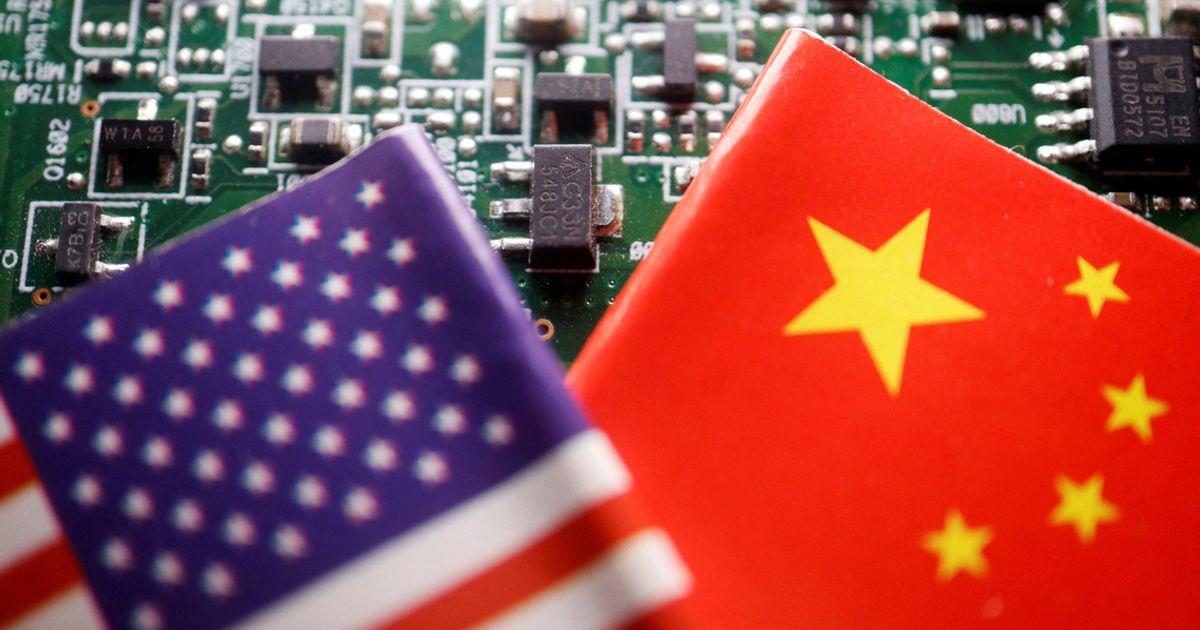
US threats of curbing remote access to advanced chips risk putting technology restrictions back at the centre of US-China tensions.

BEIJING – China warned the US it would retaliate if Washington proceeds with curbs on remote access to advanced chips, while urging the Trump administration to resolve differences through dialogue.

The Ministry of Commerce in Beijing on Nov 17 expressed “strong dissatisfaction and firm opposition” after the US unveiled sweeping new restrictions on China’s access to high-end AI chips.

Those curbs came days before Chinese President Xi Jinping is set to host his American counterpart for their third summit of the year.

“China hopes the US will work with us in the same direction and return to the right track of resolving differences through consultation and cooperation,” the ministry said in a statement.

“If the US persists, China will take countermeasures to firmly safeguard its sovereignty, security and development interests.”

The measures run counter to understandings reached by the two countries’ leaders and threaten the stability of global semiconductor supply chains, the ministry added.

A fragile trade truce that brought down sky-high tariffs between the two superpowers in 2025 is currently set to expire in January.

Rules released on Nov 16 by the US Commerce Department seek to prevent Chinese companies from renting Nvidia semiconductors outside the US and obtaining processors through Singapore and several other countries.

In brief

BEIJING – China warned the US it would retaliate if Washington proceeds with curbs on remote access to advanced chips, while urging the Trump administration to resolve differences through dialogue. The Ministry of Commerce in Beijing on Nov 17 expressed “strong dissatisfaction and firm opposition” after the US unveiled sweeping new restrictions on China’s access to high-end AI chips.

This is the opening of the story, shared with credit to The Straits Times — Asia. The rest of the report — with every detail — continues on the publisher’s website.

Continue reading at The Straits Times — Asia ↗

Cookie settings

Choose which cookies we may use. You can change this at any time from Cookie settings in the footer. Details of each cookie are in the Cookie Policy.

Strictly necessary

Needed for sign-in, security, payments and remembering these choices. Always on.

Preferences

Remember settings such as dark mode.

Analytics & performance

Help us count visits, understand which pages, devices and countries our readers use, and measure how well the site performs – anonymous and aggregated.

Advertising & marketing

Lets advertising partners show and personalise adverts, measure impressions, clicks and visits, prevent ad fraud and pay us – this is how the free site is funded.

🔔 News notifications

Get headlines from NewsHub on this device — even when the site is closed.

You can switch this off at any time. Works on Android, Windows, Mac and Linux browsers; on iPhone/iPad add the site to your Home Screen first.