Meaning and use of word has become more important in age of AI chatbot, says dictionary
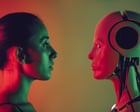
In a world where the line between people and machines is more blurred than ever, Cambridge dictionary has sided with natural intelligence for its word of the year: human.
Breakthroughs in artificial intelligence – led by the arrival of ChatGPT three years ago – have made the question of what it means to be human as vexed as ever, but the dictionary has drawn a firm line with its choice of the word of 2026, defining “human” as “having the qualities, faults, and feelings that people have, as opposed to gods, animals, or machines”.
AI advances have spurred questions about whether computers can achieve consciousness, with the evolutionary biologist Richard Dawkins among those who answered in the affirmative, saying he was “left with the overwhelming feeling that they are human”. Sceptics, on the other hand, argue that there is a vast difference between how a human brain evolves and how an AI system is built.
Cambridge dictionary said the meaning and use of “human” had become more important in the age of the chatbot. Colin McIntosh, an editor of the dictionary, said AI was “changing the way we talk about being human”