Supermarket refrigerators heated to 50 degrees by hackers. Grain ships destroyed by drones in the Black Sea. Water shortages in the Carpathian Basin that endanger tourism, farming and electricity supplies. Incidents like these, caused by methods outside classical warfare, have become more frequent in recent months.Researchers at the Global Security Research Group, part of the Institute of Global Studies at Corvinus University of Budapest, have recorded more than 50 so-called non-traditional security challenges in Central and Eastern Europe since October. The database is open to the public on the Geo-Polemic Substack page (in Hungarian), and its creators say they will update it regularly.The group’s leader says the region is being hit at the same time by the effects of climate change and the war in Ukraine.“I would not say that this region necessarily stands far out from the field in some way, but it is important from this point of view because of its specific vulnerabilities,” Péter Marton told Euronews. He pointed to demographic challenges, ageing critical infrastructure and a level of energy dependence that is significant by comparison with other regions. “This justifies giving special attention to this region,” he said.State actors behind more than half of incidentsMarton, an associate professor at Corvinus, said state actors were responsible for more than half of the incidents the team collected.“Using military…
East-Central Europe hit by more than 50 non-traditional security incidents since October
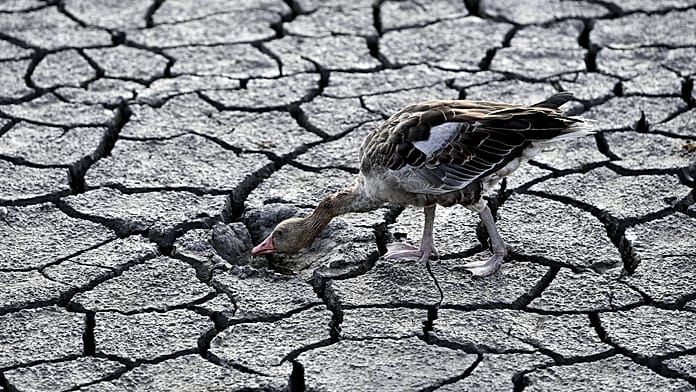
More and more events occur that are not classic military actions yet still threaten our security, from state-sponsored cyberattacks to climate change and global pandemics.
In brief
Supermarket refrigerators heated to 50 degrees by hackers. Incidents like these, caused by methods outside classical warfare, have become more frequent in recent months.Researchers at the Global Security Research Group, part of the Institute of Global Studies at Corvinus University of Budapest, have recorded more than 50 so-called non-traditional security challenges in Central and Eastern Europe since October.
This is the opening of the story, shared with credit to Euronews. The rest of the report — with every detail — continues on the publisher’s website.
Continue reading at Euronews ↗