

Electrification has been hailed a “planetary ice pack” with the potential to ease global warming. How that electricity should be generated is a subject of fierce debate – but that’s not the only concern.Behind every electric car, wind turbine and battery are critical minerals mined from the ground, often in vulnerable nations far from the people who use them. German aerial photographer Tom Hegen has documented the energy transition from the skies since 2021, from Chile’s lithium-rich Atacama Desert to the nickel-processing complexes of Sulawesi, Indonesia. His new book, ‘The Mineral Age’, aims to close the gap between the products we buy and the places they come from, and to draw attention to human rights abuses that underpin the energy transition. “From the ground, you can’t really see much. They’re fenced off, and it’s such a huge area you don’t get the overview… When I’m up in the air, the entire landscape opens up,” Hegen tells Euronews Earth in an exclusive interview.What are critical minerals used for – and where are they found?Critical minerals are essential raw materials used in modern technologies and defence. Electric vehicles (EVs) and energy storage batteries wouldn’t work without lithium, nickel, cobalt and graphite. Bolivia, Argentina and Chile – known as the ‘Lithium Triangle’
‘Sacrificed for the rich’: South America’s lithium fields reveal the human cost of electrification
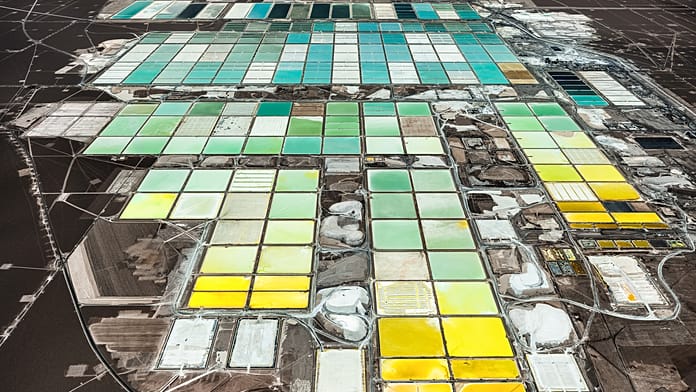
German aerial photographer Tom Hegen has documented the energy transition from Chile’s lithium-rich Atacama Desert to the nickel-processing complexes of Sulawesi, Indonesia.
In brief
Electrification has been hailed a “planetary ice pack” with the potential to ease global warming. German aerial photographer Tom Hegen has documented the energy transition from the skies since 2021, from Chile’s lithium-rich Atacama Desert to the nickel-processing complexes of Sulawesi, Indonesia. Electric vehicles (EVs) and energy storage batteries wouldn’t work without lithium, nickel, cobalt and graphite. Bolivia, Argentina and Chile – known as the ‘Lithium Triangle’
This is the opening of the story, shared with credit to Euronews. The rest of the report — with every detail — continues on the publisher’s website.
Continue reading at Euronews ↗