

Return to classic Azeroth. That was the promise with which Blizzard launched 'World of Warcraft Forever' to the world on 4 November. For some, it meant a return to an earlier time, using nostalgia as a sales engine, but for others that period is tied to a pandemic.In September 2005 a programming bug turned the spell Corrupted Blood, designed for a single fight in the game against a dungeon boss, into a contagious disease that spread through the game's virtual cities. The glitch ended up killing thousands of characters and, two years later, made the cover of 'The Lancet Infectious Diseases'.Epidemiologists experienced in Azeroth something that could not have been replicated in any other way. The health professionals' models can calculate perfectly how a pathogen passes from one person to another, but not human behaviour or what people do when they know they might be infected. And without anyone having planned it, millions of players were showing it live.How Corrupted Blood spreadIt all began on 13 September with patch 1.6 and the opening of the Zul'Gurub raid dungeon for 20 players. Its final boss, Hakkar, cast Corrupted Blood, an effect that drained health every few seconds and spread to anyone nearby.
World of Warcraft's virtual 'Corrupted Blood' pandemic became a model for real epidemics
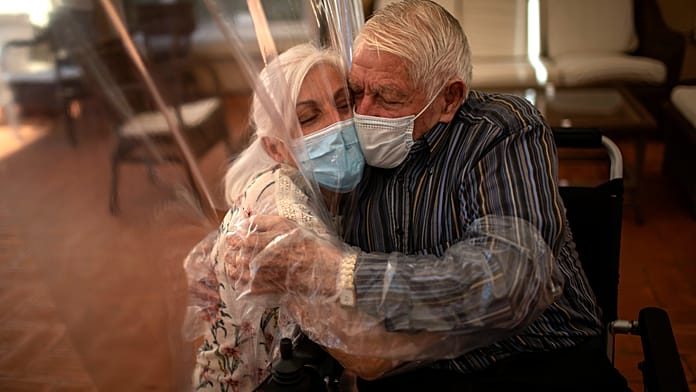
In 2005, a programming error unleashed a plague in World of Warcraft that epidemiologists used to study people's behaviour during an outbreak, later revived by COVID-19.
In brief
Return to classic Azeroth. That was the promise with which Blizzard launched 'World of Warcraft Forever' to the world on 4 November. And without anyone having planned it, millions of players were showing it live.How Corrupted Blood spreadIt all began on 13 September with patch 1.6 and the opening of the Zul'Gurub raid dungeon for 20 players. Its final boss, Hakkar, cast Corrupted Blood, an effect that drained health every few seconds and spread to anyone nearby.
This is the opening of the story, shared with credit to Euronews. The rest of the report — with every detail — continues on the publisher’s website.
Continue reading at Euronews ↗