Homo erectus may be one of our better-known ancient human relatives. These humans lived hundreds of thousands of years ago, and we’re still learning new things about them.
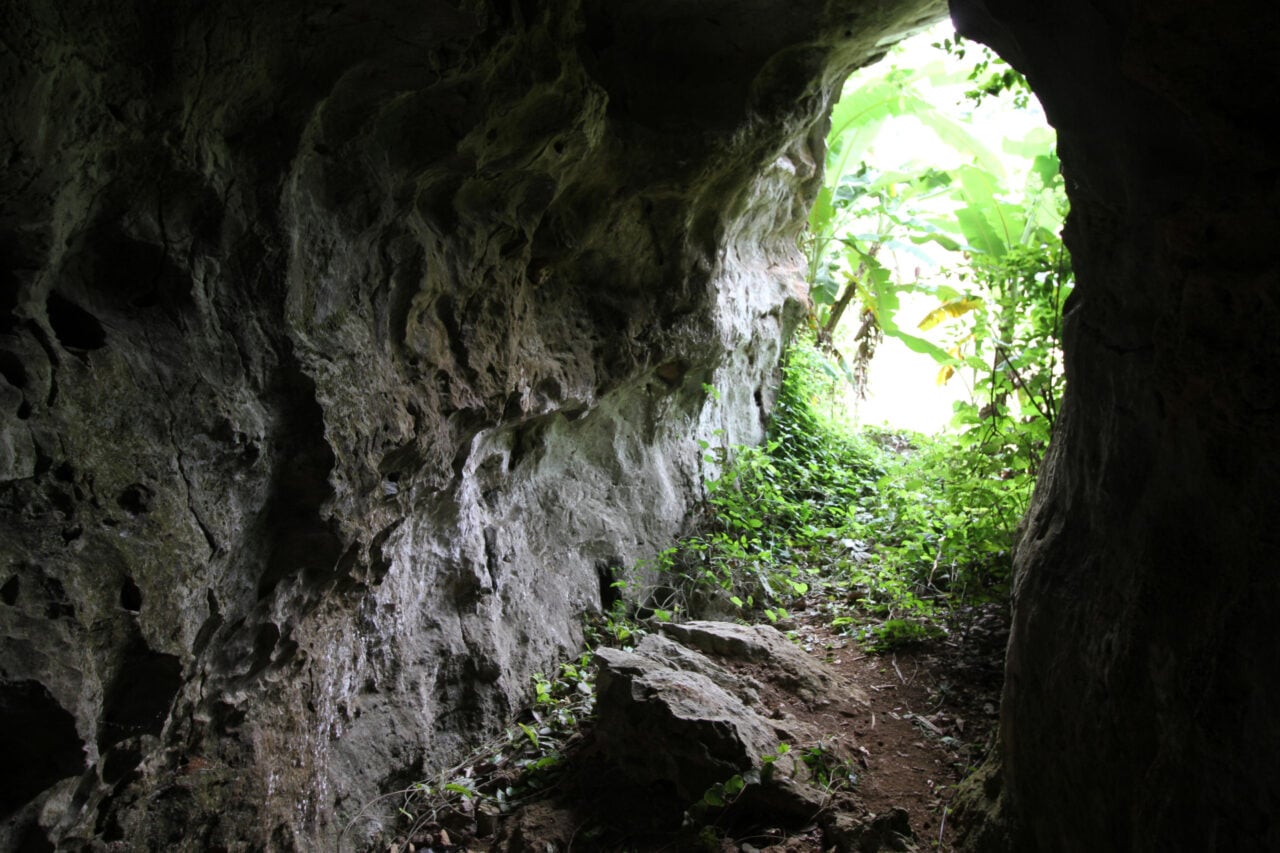
In a pair of papers published today in Nature, researchers report new insights on the physiology, diet, and distribution of H. erectus. The teams studied a large collection of animal remains that included nine hominin teeth, recovered from two caves in southern China. In the first study, which focused on physiology, corresponding author Frido Welker and colleagues analyzed the proteins in fossilized teeth to identify the corresponding species. Kira Westaway led the second study, which reconstructed the behavior and the environment these individuals may have lived in.
The findings point to two surprising conclusions. First, the fossils were dated to between 324,000 and 184,000 years old, which revises the known timeline for H. erectus‘s occupation in mainland China. Second, analytic evidence strongly suggests that this species adapted to rainforest environments, challenging past assumptions on what led to their extinction.
“The context provides us with the story of Homo erectus and a new chapter in our understanding of the capabilities of this fascinating species,” Westaway, a geochronologist at Macquarie University, Australia, told Gizmodo.
It’s particularly exciting that these individuals lived in the rainforest, added Welker, a paleoanthropologist at the University of Copenhagen, Denmark…