

The provisions in a planned US-Saudi nuclear deal for inspections in Saudi Arabia are "very satisfactory" even though they do not include the gold-standard Additional Protocol, the UN nuclear watchdog's chief said on Wednesday.The proposed deal on civil nuclear cooperation, known as a 123 agreement, has yet to be approved by US lawmakers and has been criticized by nonproliferation experts for not barring Riyadh from enriching uranium or reprocessing spent reactor fuel, two potential pathways to a nuclear weapon.Saudi Arabia has a nascent nuclear program and recently signed up to a Comprehensive Safeguards Agreement with the International Atomic Energy Agency (IAEA), which spells out the core obligations of countries that possess nuclear technology, such as allowing IAEA inspections of declared nuclear facilities.It has not, however, signed the Additional Protocol, which would grant the IAEA more intrusive powers, including snap inspections at undeclared sites. A US-Saudi text on nuclear safeguards sent to the IAEA for approval by its board and seen by Reuters allows snap inspections but only at declared sites.Grossi says agreement is satisfactory"I think that for the specific agreement we have, it is a very satisfactory outcome," IAEA chief Rafael Grossi told a press conference during a quarterly IAEA Board of Governors meeting.Grossi is running to be UN secretary-general and, as such, needs the support or acquiescence of the…
IAEA chief defends US-Saudi nuclear deal as North Korea expands uranium enrichment
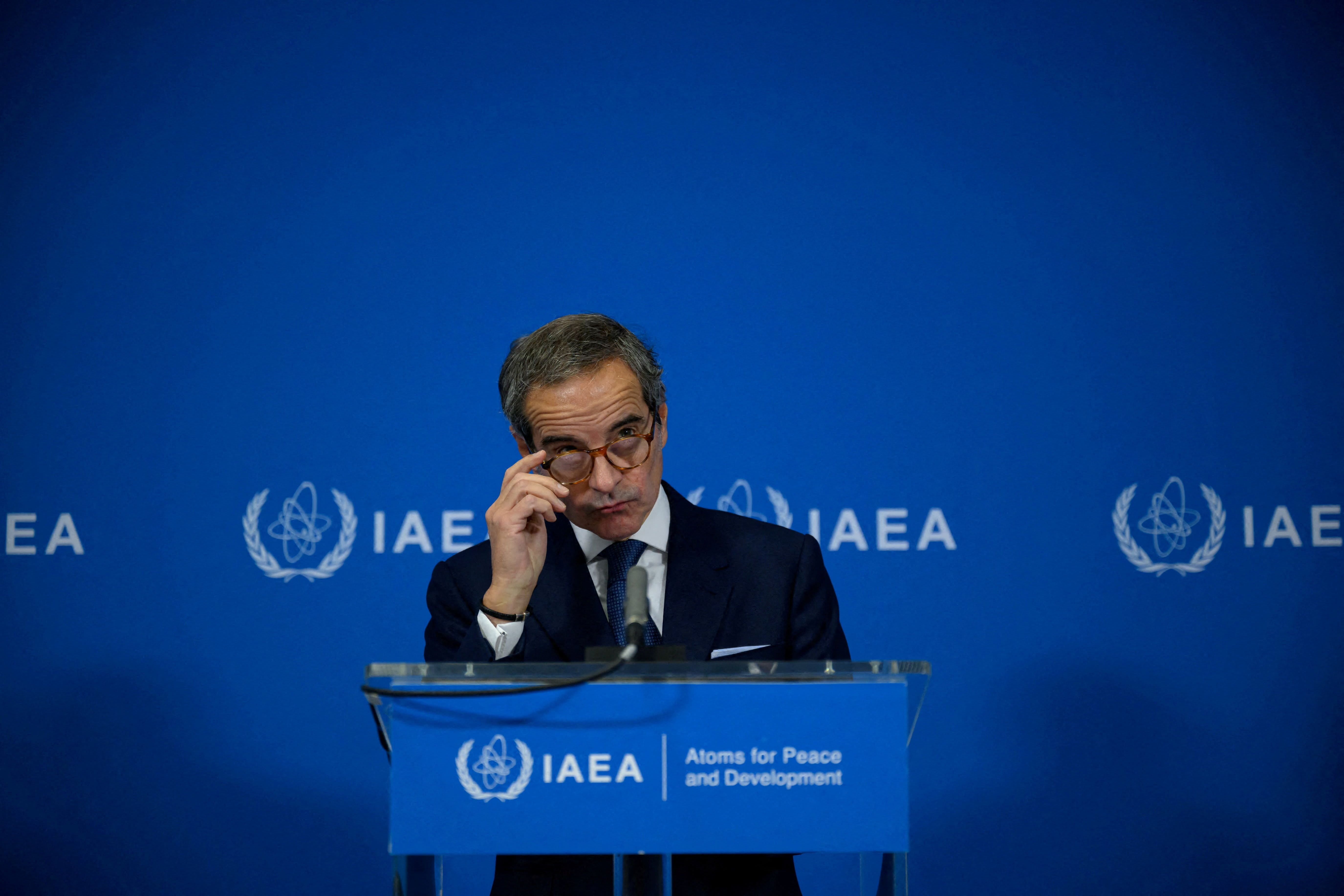
Saudi Arabia's proposed nuclear deal with the US permits inspections with as little as two hours' notice, but only at declared nuclear sites.
In brief
The provisions in a planned US-Saudi nuclear deal for inspections in Saudi Arabia are "very satisfactory" even though they do not include the gold-standard Additional Protocol, the UN nuclear watchdog's chief said on Wednesday.The proposed deal on civil nuclear cooperation, known as a 123 agreement, has yet to be approved by US lawmakers and has been criticized by nonproliferation experts for not barring Riyadh from enriching uranium or reprocessing spent reactor fuel, two potential pathways to a nuclear weapon.Saudi Arabia has a nascent nuclear program and recently signed up to a Comprehensive Safeguards Agreement with the International Atomic Energy Agency (IAEA), which spells out the…
This is the opening of the story, shared with credit to The Jerusalem Post. The rest of the report — with every detail — continues on the publisher’s website.
Continue reading at The Jerusalem Post ↗