TEHRAN – Iran is adapting its deterrence strategy to the changing nature of warfare while accelerating the development of indigenous defense technologies, with more than 70 defense projects identified during the recent 40-day conflict to translate battlefield lessons into operational capabilities, senior defense officials say.
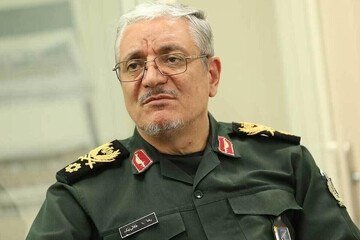
The statements by Defense Ministry spokesperson Brigadier General Reza Talaei-Nik and Deputy Minister of Defense and Armed Forces Logistics Brigadier General Majid Ibn al-Reza highlight Tehran’s emphasis on maintaining military readiness, strengthening domestic defense capabilities and incorporating emerging battlefield requirements into its long-term military planning.
Speaking at a meeting of the Islamic Propagation Coordination Council on Wednesday, Talaei-Nik said Iran’s deterrence strategy remained dynamic and active, adapting to evolving threats and changes in the methods and patterns of warfare.
He noted that recent hybrid warfare differed substantially from previous conflicts, requiring a continuous reassessment of defense priorities and capabilities.
The spokesman said Iran’s Armed Forces had demonstrated their defensive capabilities during the 40-day War, adding that the country’s strategic structures and the legacy of the Martyred Leader of the Islamic Revolution, Ayatollah Seyyed Ali Khamenei, had enabled the military to respond decisively from the outset of the conflict.
Talaei-Nik identified four principal pillars of Iran’s national strength: leadership, national unity, the capabilities of the Armed Forces and the performance of the Islamic Republic’s governing system.