📰 Newspapers

Bacterial toxin produced by E coli leading suspect in rise in bowel cancer among under-50s

Bacterial toxin produced by E coli leading suspect in rise in bowel cancer among under-50s

Scientists tell Commons committee that exposure to colibactin in early life is a potential driver of early onset colorectal cancer

Exposure to a bacterial toxin in early life has emerged as a leading suspect in the rise of bowel cancer amongs those under 50, MPs have heard.

Cases of early onset bowel cancer have doubled in many countries in the past two decades, and while rising obesity and a fall in physical activity are contributors, researchers believe other factors must also be involved.

Dr Karl Smith-Byrne, a senior molecular epidemiologist at the University of Oxford, told the Commons science and technology committee that known risk factors for colorectal cancer, such as obesity, smoking and alcohol, can explain only about half of the cases doctors diagnose.

He said he did not find it “plausible” that the rise in early onset bowel cancer could be entirely explained by risk factors that researchers were already aware of.

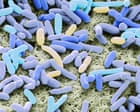
Last year scientists identified a toxin called colibactin, produced by some variants of E coli bacteria in the gut, as a potential driver of early onset colorectal cancer. Hallmark mutations caused by the toxin were three times more common in tumours from people under 40 than in those from people over 70.

In brief

Scientists tell Commons committee that exposure to colibactin in early life is a potential driver of early onset colorectal cancer Exposure to a bacterial toxin in early life has emerged as a leading suspect in the rise of bowel cancer amongs those under 50, MPs have heard. Last year scientists identified a toxin called colibactin, produced by some variants of E coli bacteria in the gut, as a potential driver of early onset colorectal cancer.

This is the opening of the story, shared with credit to The Guardian — World. The rest of the report — with every detail — continues on the publisher’s website.

Continue reading at The Guardian — World ↗

Cookie settings

Choose which cookies we may use. You can change this at any time from Cookie settings in the footer. Details of each cookie are in the Cookie Policy.

Strictly necessary

Needed for sign-in, security, payments and remembering these choices. Always on.

Preferences

Remember settings such as dark mode.

Analytics & performance

Help us count visits, understand which pages, devices and countries our readers use, and measure how well the site performs – anonymous and aggregated.

Advertising & marketing

Lets advertising partners show and personalise adverts, measure impressions, clicks and visits, prevent ad fraud and pay us – this is how the free site is funded.

🔔 News notifications

Get headlines from NewsHub on this device — even when the site is closed.

You can switch this off at any time. Works on Android, Windows, Mac and Linux browsers; on iPhone/iPad add the site to your Home Screen first.