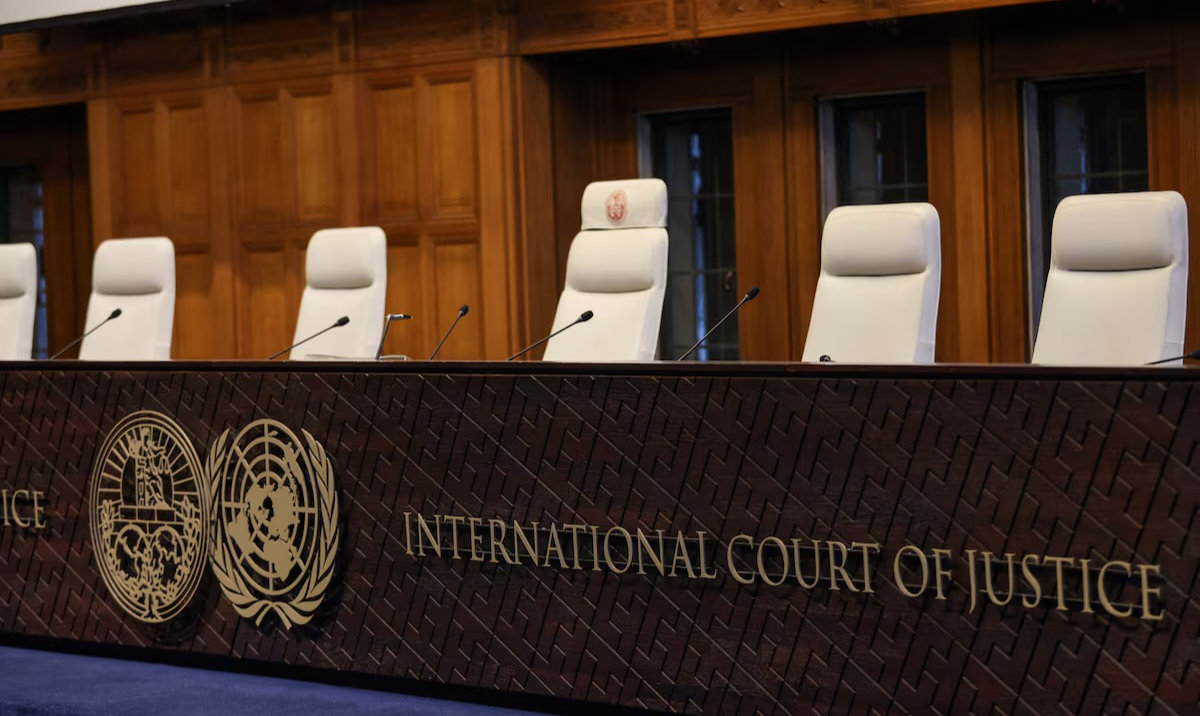
THE HAGUE: The United Nations’ top court is due to deliver a judgment Thursday in a case accusing Myanmar of committing genocide against the Muslim minority Rohingya, a ruling that could seek to ease their plight and lay down legal precedents for other politically charged cases.
The Muslim-majority African nation of Gambia launched the proceedings at the International Court of Justice in 2019, asking it to rule that Myanmar has breached the 1948 Genocide Convention, order the nation to put an end to any illegal activities targeting the Rohingya and ensure those responsible for genocide are punished.
In public hearings early last year, Myanmar defended its deadly military campaign, calling it a legitimate counter-terrorism operation that did not amount to genocide.
The judgment comes while the World Court also is handling genocide allegations linked to the Gaza conflict and the war in Ukraine.
“Genocides have similarities in how they are committed so this decision will have an impact on other cases,” said Melanie O’Brien, a professor of international law at the University of Western Australia.
If judges rule that Myanmar committed genocide, it would be the first time the International Court of Justice has passed such a judgment. In 2007, the court said that Serbia “violated the obligation to prevent genocide”