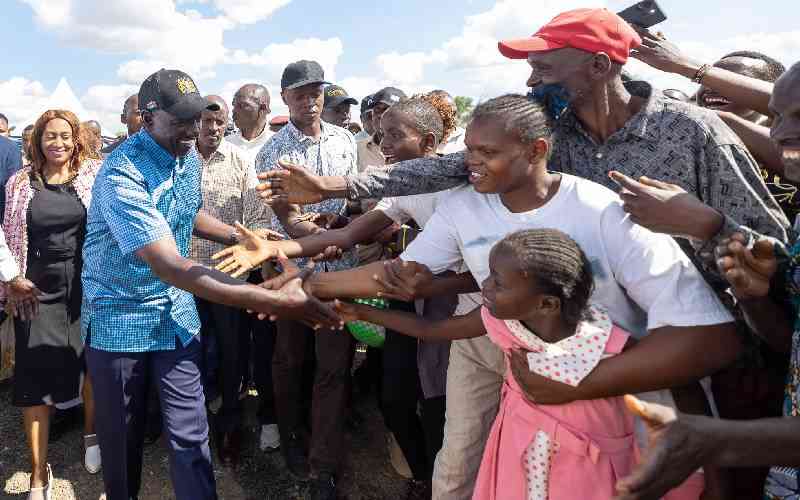
President Ruto says 80 per cent of his manifesto has been delivered. Mzalendo’s independent Promise Tracker classifies just 25 of 254 Kenya Kwanza promises as completed, under ten per cent; 150 are ongoing and 41 broken. The tracker is not an official audit, and not every unfinished promise has been abandoned. But when the government and an independent monitor are this far apart, voters have no way of knowing who is right. That is the problem the 2027 manifestos must solve.
The political arithmetic is shifting. Rigathi Gachagua’s impeachment unsettled Mt Kenya, the Gen Z protests of 2024 showed that a young, largely unaffiliated electorate can reshape the national agenda, and since Raila Odinga’s death, the ODM–UDA arrangement faces new questions. Kenya Kwanza and ODM intend to run on a joint manifesto. Will it be a contract with citizens or a treaty among politicians?
A manifesto is the basis on which voters decide, and later judge. Every major promise needs a baseline, a measurable target, a deadline and a responsible agency, along with indicators that allow Parliament, auditors, journalists and citizens to track progress.
The coalition agreement must be made explicit too. The broad-based arrangement rests on commitments such as compensation for protest victims and new offices of Prime Minister and Leader of the Opposition.