

Want to bookmark your favourite articles and stories to read or reference later? Start your Independent Membership today.
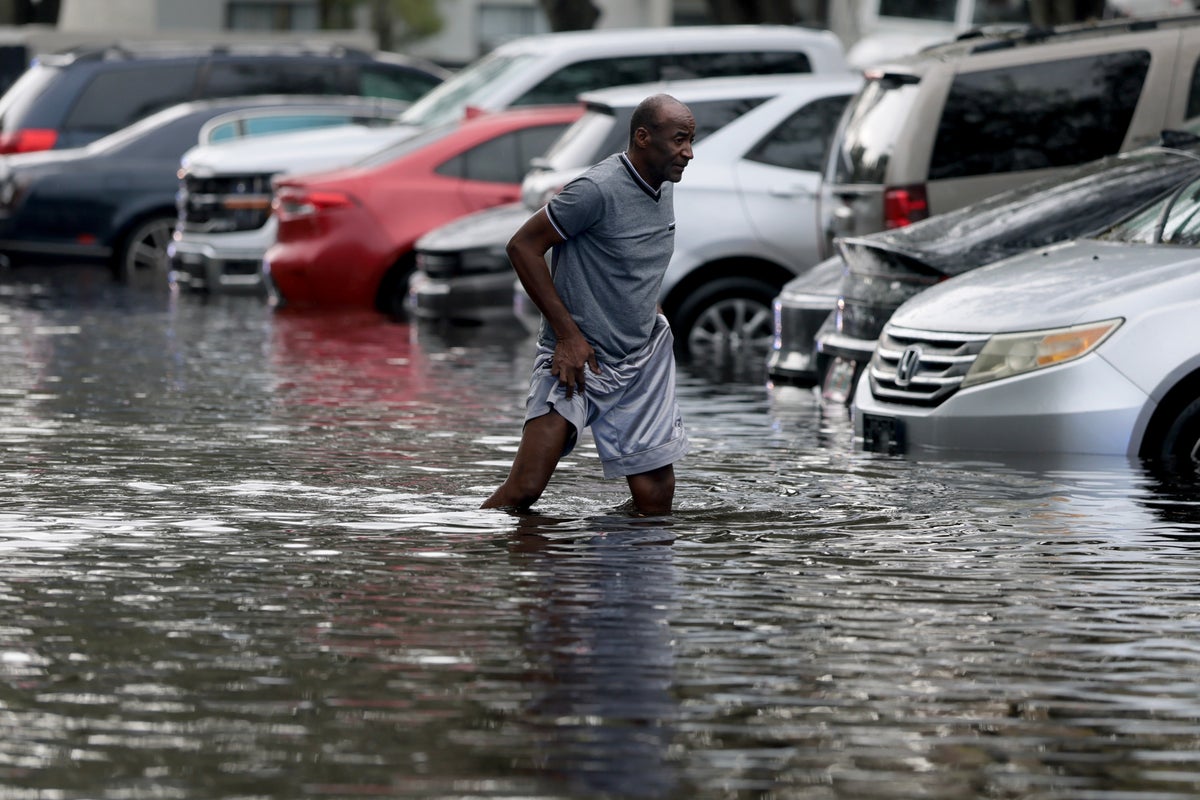
Floodwater filled the streets and crept into homes across Florida’s Atlantic coast as an intense storm dumped more than a foot of rain in 24 hours starting Nov. 17, 2026. The deluge followed extreme downpours in parts of the region less than three weeks earlier, and forecasters warned of more rain still to come.
As people in Fort Lauderdale watched the water rise in their already saturated yards, it may have felt like déjà vu.
In April 2023, more than 25 inches of rain fell in Fort Lauderdale in 24 hours. Even hurricanes rarely drop that much rain in one area that fast. Residents could do little to stop the flooding.
Studies show that as global temperatures rise, more people will be at risk from such destructive flooding – including in areas that rarely faced extreme flooding in the past.
In many of these communities, the people at greatest risk of harm from flash flooding are low-wage workers, older adults and other vulnerable residents who live in low-lying areas and who have few resources to protect their properties and themselves.
I study the impact of extreme weather on vulnerable communities as an associate professor of social work.