

Forgetting is as much a part of recalling memories, stories and emotions as remembering itself. But while we sometimes forget our keys, a name or even an important date, this forgetfulness can occasionally indicate something far more serious and urgent. When it comes to diseases as debilitating as Alzheimer's and other forms of dementia, scientists have long been curious to understand what actually happens in the brain.Now, researchers at Johns Hopkins University, in a study published in the journal NeuroImage: Reports in September 2026, have identified changes in two brain regions that could offer an important clue, with their findings suggesting that these areas may begin to shrink years before a person experiences noticeable memory loss.According to a ScienceDaily report dated November 14, 2026, the researchers found that while the hippocampus is an important part of the brain examined for signs of Alzheimer's, two other regions associated with memory and emotional processing could help scientists understand the development of the disease before the actual loss of memory becomes apparent.The changes could become detectable as much as five to ten years before the clinical symptoms of the disease emerge, potentially opening a new pathway for understanding its silent progression and exploring treatments during this period.Two significant regions of the brain apart from the hippocampusBut before understanding this discovery, it is important…
Two brain regions tied to memory and emotion may shrink up a decade before Alzheimer’s symptoms
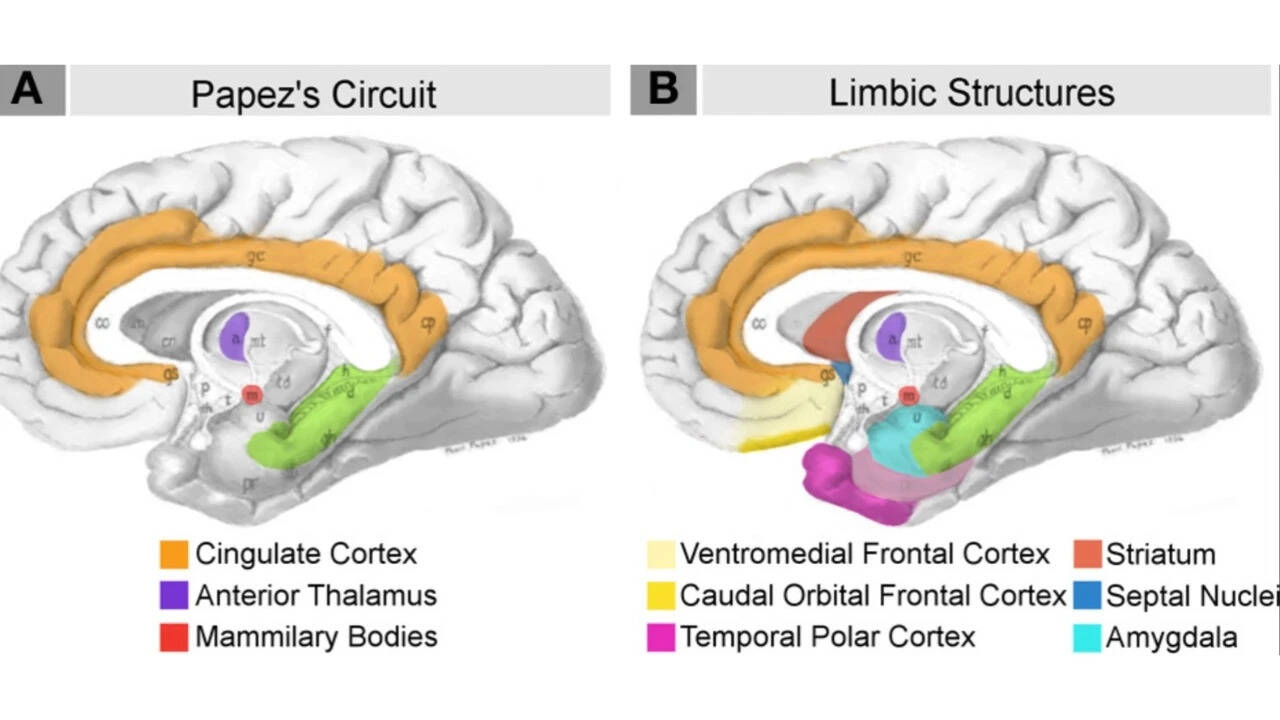
A groundbreaking study from Johns Hopkins University highlights early brain changes associated with Alzheimer's disease. Specifically, it finds that tissue loss in the entorhinal cortex and amygdala occurs years before hippocampal changes manifest. The research suggests that abnormal tau protein accumulation may play a crucial role in this deterioration. Identifying these early changes could pave the way for timely…
In brief
Forgetting is as much a part of recalling memories, stories and emotions as remembering itself. But while we sometimes forget our keys, a name or even an important date, this forgetfulness can occasionally indicate something far more serious and urgent. When it comes to diseases as debilitating as Alzheimer's and other forms of dementia, scientists have long been curious to understand what actually happens in the brain.Now, researchers at Johns Hopkins University, in a study published in the journal NeuroImage: Reports in September 2026, have identified changes in two brain regions that could offer an important clue, with their findings suggesting that these areas may begin to shrink year…
This is the opening of the story, shared with credit to The Times of India — World. The rest of the report — with every detail — continues on the publisher’s website.
Continue reading at The Times of India — World ↗